

Why TransLink is building a better cycling network
Why TransLink is building a better cycling network
Metro Vancouver is growing, and so is the need for safer, smarter ways to move. One way to get there is by giving people more choices in how they travel.
That’s why TransLink is partnering with local governments to build the Major Bikeway Network — a safe and connected system of cycling routes and infrastructure that will link and communities across Metro Vancouver.
TransLink is responsible to move people as efficiently as possible, and that includes walking, rolling, cycling, transit and driving. This regional cycling network will help take pressure off our roads, reduce emissions, and make active travel an easy and confident choice for everyone.
What a better cycling network means for Metro Vancouver
- Safety
- Comfortable
- Convenient
More people are choosing to get around by bike.
We want to support this by creating a continuous, connected network of cycling routes so everyone — from seasoned riders to weekend explorers – can move around safely and confidently.
No matter where you live in the region, cycling is a great option to get around, whether it’s for school, work, or running errands.
Everyone wins with safer cycling
We are working toward a more accessible and complete cycling network that benefits all communities across Metro Vancouver, not just cyclists.
By completing key cycling projects, we’ll unlock a fully connected network of routes across major corridors of Metro Vancouver.
Building a connected network in this way can have lasting, long-term effects, including:
- Less road traffic congestion, making it easier for cyclists, drivers, and buses to get around
- Cleaner air and quieter streets, improving safety and quality of life for nearby communities
- A stronger and more balanced transportation system
What we’re working on
The network also supports e-bikes and e-scooters by providing a pathway with features such as clear signage and smooth surfaces to allow all riders to travel safely.
To date, more than 360 kilometres of the planned 850-kilometre Major Bikeway Network have been completed. But gaps in this network remain. Completing these gaps is necessary to making the network seamless regardless of the destination.
What you can expect to see:
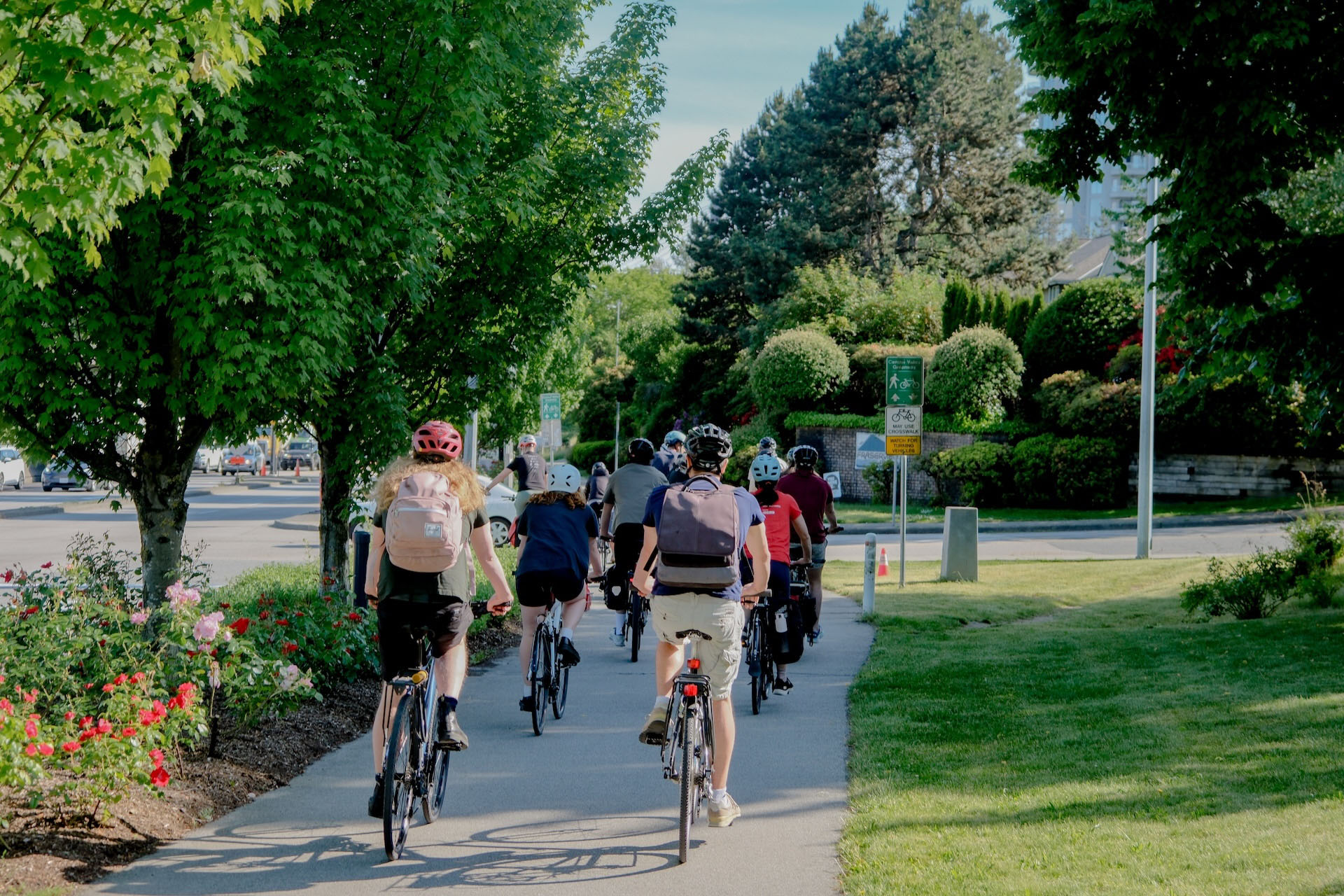
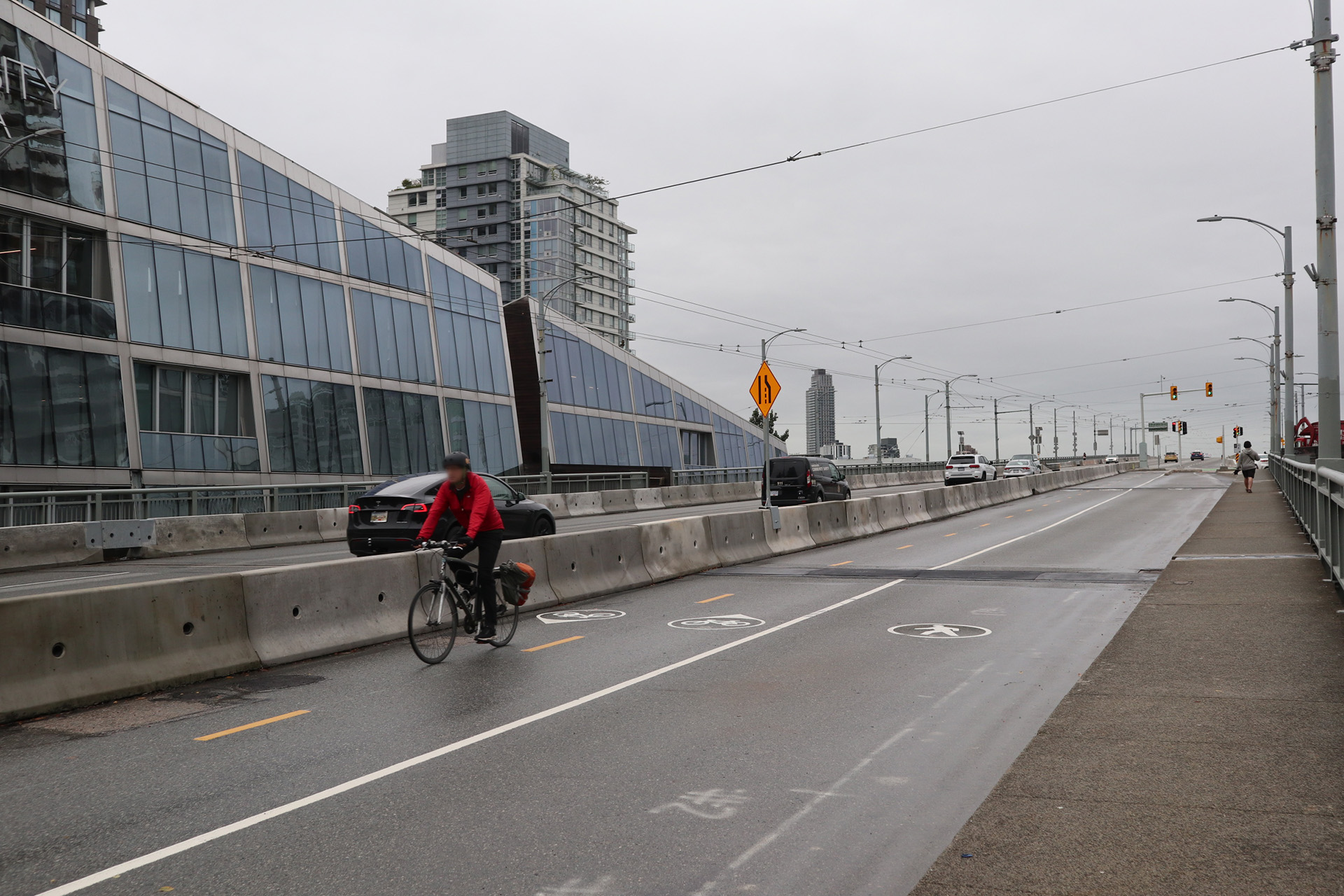
- Protected bike lanes: These lanes keep cyclists safely apart from vehicle traffic, helping riders feel more comfortable and confident. They also make streets safer for pedestrians by giving everyone their own dedicated space.
- Multi-use paths: Shared pathways give cyclists and pedestrians space to move safely together, separated from vehicle traffic. These are often located along quieter streets to get around while staying clear of busy roads.
- Traffic-calmed streets: Neighbourhood streets that prioritize cyclists and have lower motor vehicle speeds to allow through movement by bicycles, while reducing motor vehicle volumes and speeds.
The future of safer streets
Building a safer cycling network isn’t just about bikes. It is about people, communities, and the environment.
Every new lane and connection makes Metro Vancouver a region where moving safely, sustainably, and confidently is an option for everyone.
Together, these improvements help create streets that work for all residents, whether they ride, walk, take transit or drive.