

What’s next for transit on the Burrard Peninsula? A look at TransLink’s new Area Transport Plan
What’s next for transit on the Burrard Peninsula? A look at TransLink’s new Area Transport Plan
Getting around is going to become even better.
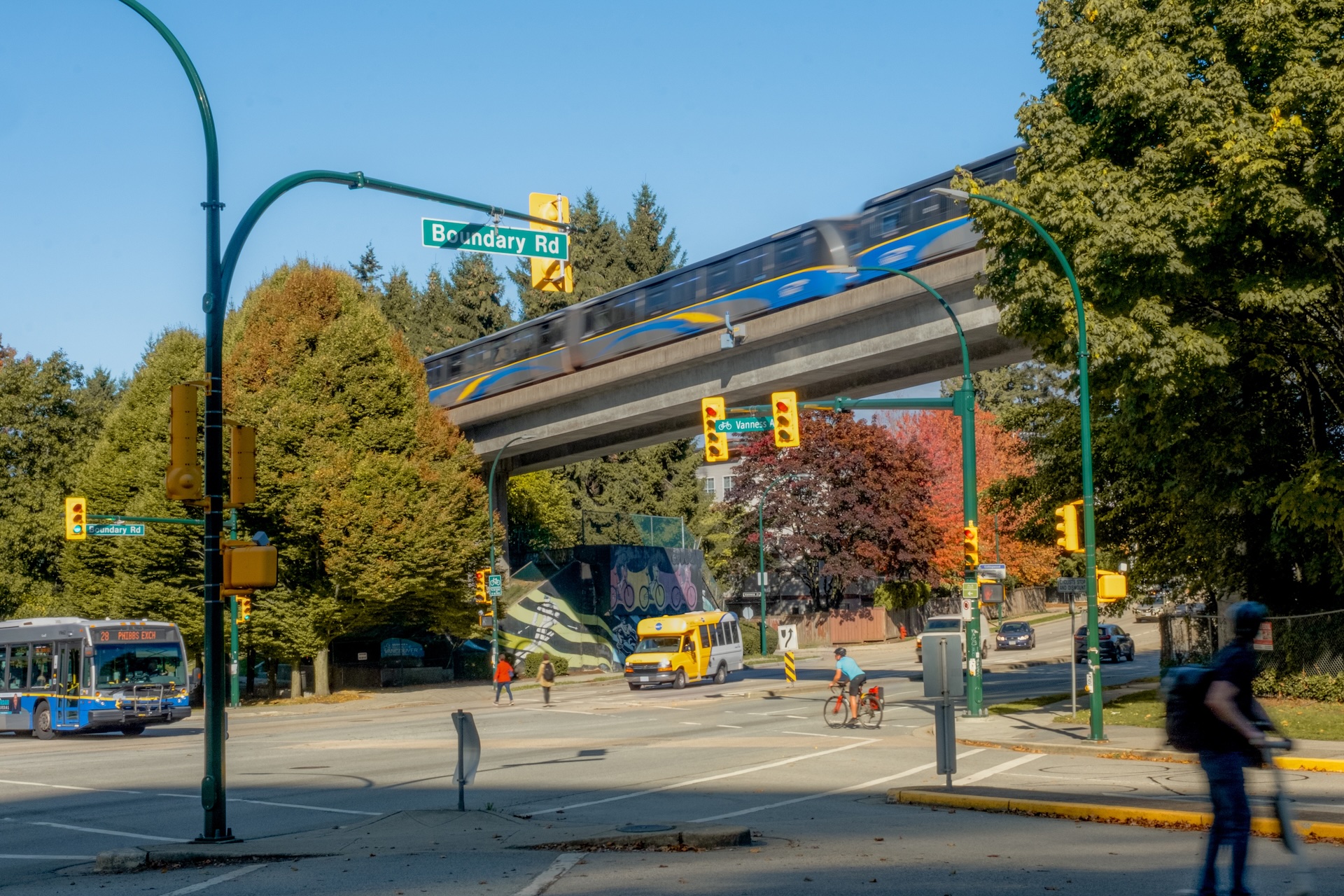
We’ve released the Burrard Peninsula Area Transport Plan, a long-term guide that lays out how transit and transportation could improve across Vancouver, Burnaby, New Westminster, the University of British Columbia, and the University Endowment Lands over the next 15 years. The plan focuses on making it easier, faster, and safer for people to get where they need to go, whether that’s by bus, SkyTrain, bike, or walking.
The Burrard Peninsula study area also lies within the traditional and unceded territories of several First Nations, including kʷikʷəƛ̓əm (Kwikwetlem First Nation), q̓ʷɑ:n̓ƛ̓ən̓ (Kwantlen First Nation), xʷməθkʷəy̓əm (Musqueam), Sḵwx̱wú7mesh Úxwumixw (Squamish Nation), səlilwətaɬ (Tsleil-Waututh Nation), and qiqéyt (Qayqayt First Nation). We value the input of Indigenous communities in shaping this plan.
A roadmap shaped by customers and communities
The plan was developed over multiple years using transportation data, close work with local and provincial partners, and feedback from two rounds of public engagement. Customers, community groups, and First Nations shared what’s working, what isn’t, and what needs to change as the region grows.
The result is a practical blueprint that helps guide future transit investments and service improvements.
What does the plan focus on?
The Burrard Peninsula Area Transport Plan targets three big priorities:
- Better bus service
- Stronger walking and cycling connections
- Safer, more reliable movement of goods
Here are some of the highlights transit customers may notice over time:
Improving bus service and connections
To keep up with growing demand and new infrastructure like the Broadway Subway, the plan recommends:
- 59 proposed bus route changes to make trips faster, more direct, and better connected
- New bus routes, including a Stanley Park route already funded through the 2025 Investment Plan
- More comfortable, safer, and easier-to-use transit, with a focus on customer experience
- Bus priority measures (like transit lanes and signal priority) on busy corridors to improve reliability and reduce delays
Not every change will happen at once, but together, these improvements aim to help customers spend less time waiting and more time getting where they’re going.
Making it easier to walk, bike, and access transit
The plan also supports:
- Expanding the Major Bike Network, making cycling a more convenient option for shorter trips or connecting to transit
- Better walking and bike access to SkyTrain stations and bus exchanges, with safer, more direct routes
- Improved connections that support people of all ages and abilities
These upgrades help make active transportation a more practical choice, whether you’re biking to the bus or walking the last few blocks home.
Supporting safer goods movement
The plan looks at how goods move across the Burrard Peninsula and recommends improvements that:
- Prioritize the safety of people walking and cycling
- Improve the reliability of goods movement routes
- Reduce emissions, working with municipal and provincial partners to support a cleaner transportation system
When will changes happen?
This is a long-term, 15-year plan, and improvements will roll out in phases.
- Smaller changes, like minor bus route adjustments, may happen through TransLink’s regular quarterly service changes
- Larger projects, such as new routes or major infrastructure upgrades, will depend on funding through future investment plans
As projects move forward, customers will be kept informed about what’s changing and when.
Looking ahead
The Burrard Peninsula Area Transport Plan is about planning ahead so that transit continues to meet the needs of a growing, changing region.
With better bus service, stronger walking and cycling connections, and safer streets for everyone, the goal is a transportation system that works better for customers today and into the future.