

Hear that? Let’s talk about SkyTrain noise
Hear that? Let’s talk about SkyTrain noise
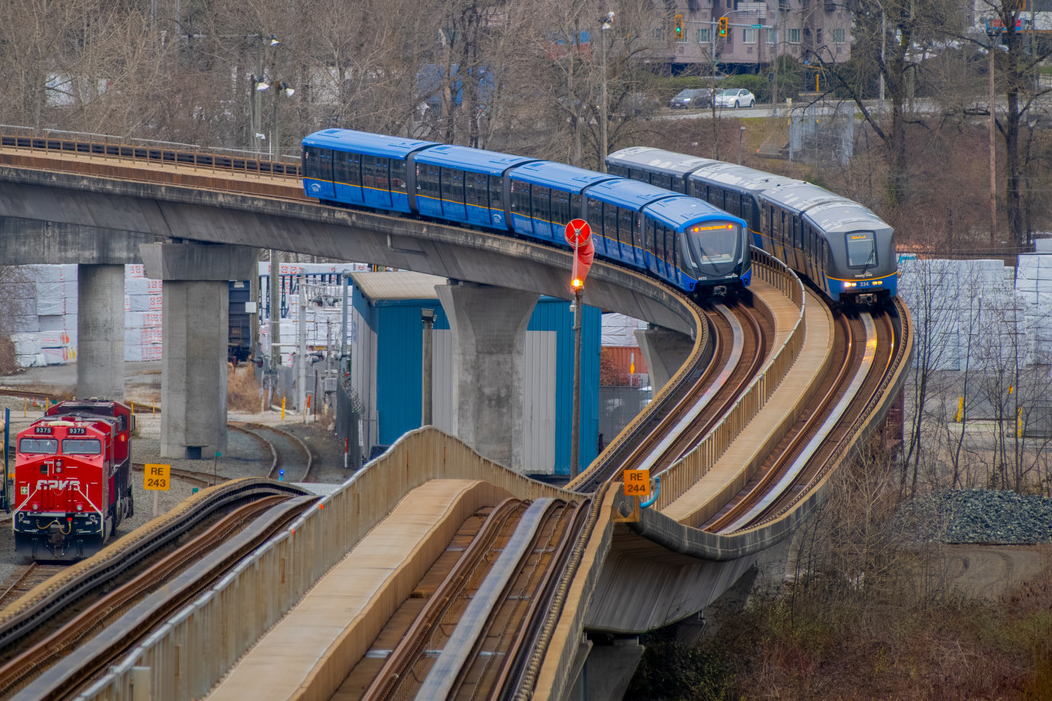
Maybe you’ve heard a train squeal as it rounds a curve, noticed a rattling sound as it passes overhead, or wondered why some sections of track seem louder than others.
Let’s look at some of the most common sources of SkyTrain noise and what we’re doing to reduce it.
Why is the SkyTrain loud?
SkyTrain noise can come from a variety of sources: from steel wheels interacting with steel rails, to train testing and the maintenance work needed to keep the system running safely and reliably.
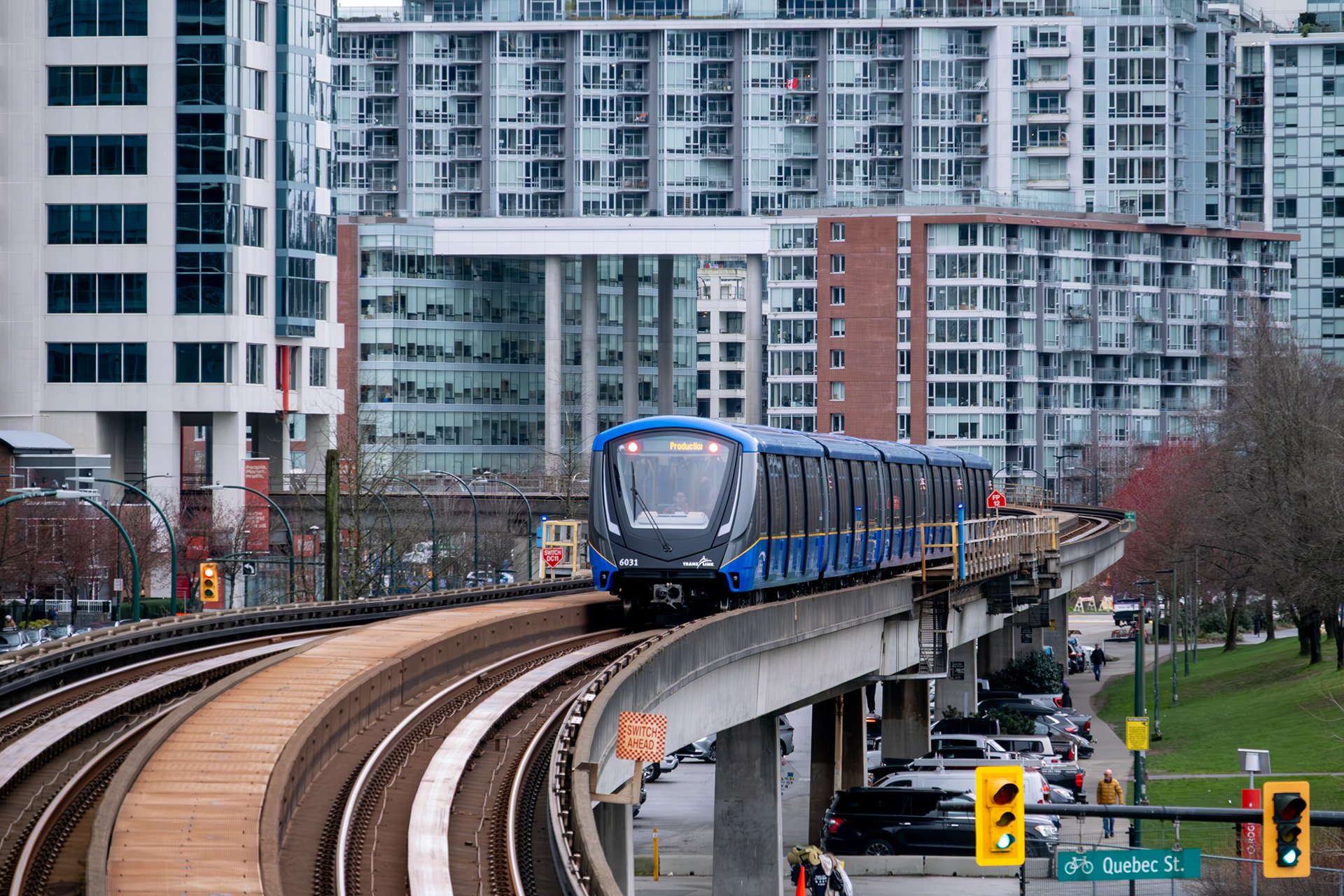
Like all rail systems, the SkyTrain generates some noise every time it accelerates, brakes, travels around a curve, or moves along the track. Trains weigh well over 100 tonnes and carry hundreds of passengers, so it’s inevitable that it’ll generate noise while running. Whether it’s freight rail, commuter rail, or rapid transit, the movement of heavy vehicles over steel rails will always create sound.
That’s why we invest in maintenance, upgrades, and asset replacement projects all year to help reduce noise and improve your journey.
Long-term solutions
The Expo and Millennium lines encompass approximately 240 kilometres of rail – and that number is only growing.
Maintaining a network of this size requires continuous investment in asset replacement, track upgrades, and preventative maintenance.
Many of these activities can only be completed during the limited overnight hours when SkyTrain is not carrying passengers. Even when passenger service ends, crews at British Columbia Rapid Transit Company (BCRTC) are hard at work behind the scenes maintaining tracks, inspecting infrastructure, testing trains and equipment, and preparing the system for the next day of service.
With only a few hours available each night, crews make the most of this limited maintenance window to carefully prioritize work to keep the system safe, reliable, and in good condition. This is also why customers may occasionally see single tracking or other temporary service patterns while projects are underway.
Asset replacement
Some sections of the original Expo Line have been in service since the SkyTrain first opened for revenue service in 1986, and infrastructure naturally wears down over decades of use. Replacing aging assets such as rail, rail fasteners, and switches helps maintain a safe and reliable system while also reducing sources of excess noise.
Rail replacement
The Expo and Millennium lines include different types of rails, each requiring eventual replacement.
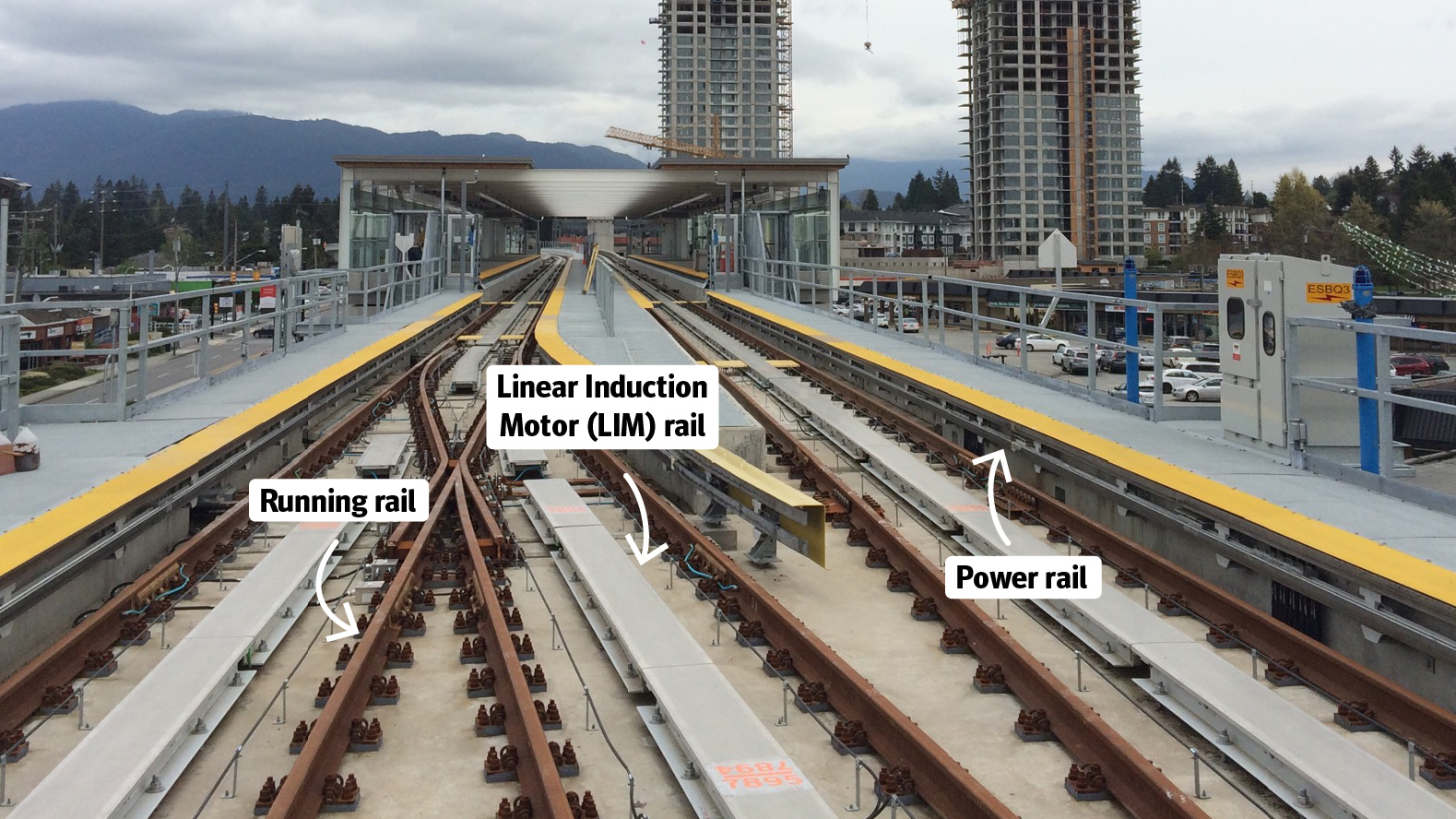
They are the:
- Running rails: These carry the train’s weight
- Linear Induction Motor (LIM) rail: Help propel the train
- Power rail: Provides 600 volts of direct current energy that powers the SkyTrain
Over time, the weight of 100-tonne trains places continuous stress on the rails. As rails wear down, small imperfections can develop on both the track and train wheels. When steel wheels travel over these rough surfaces, they create additional vibration and noise. Replacing worn rail with stronger steel helps restore a smoother, quieter ride.
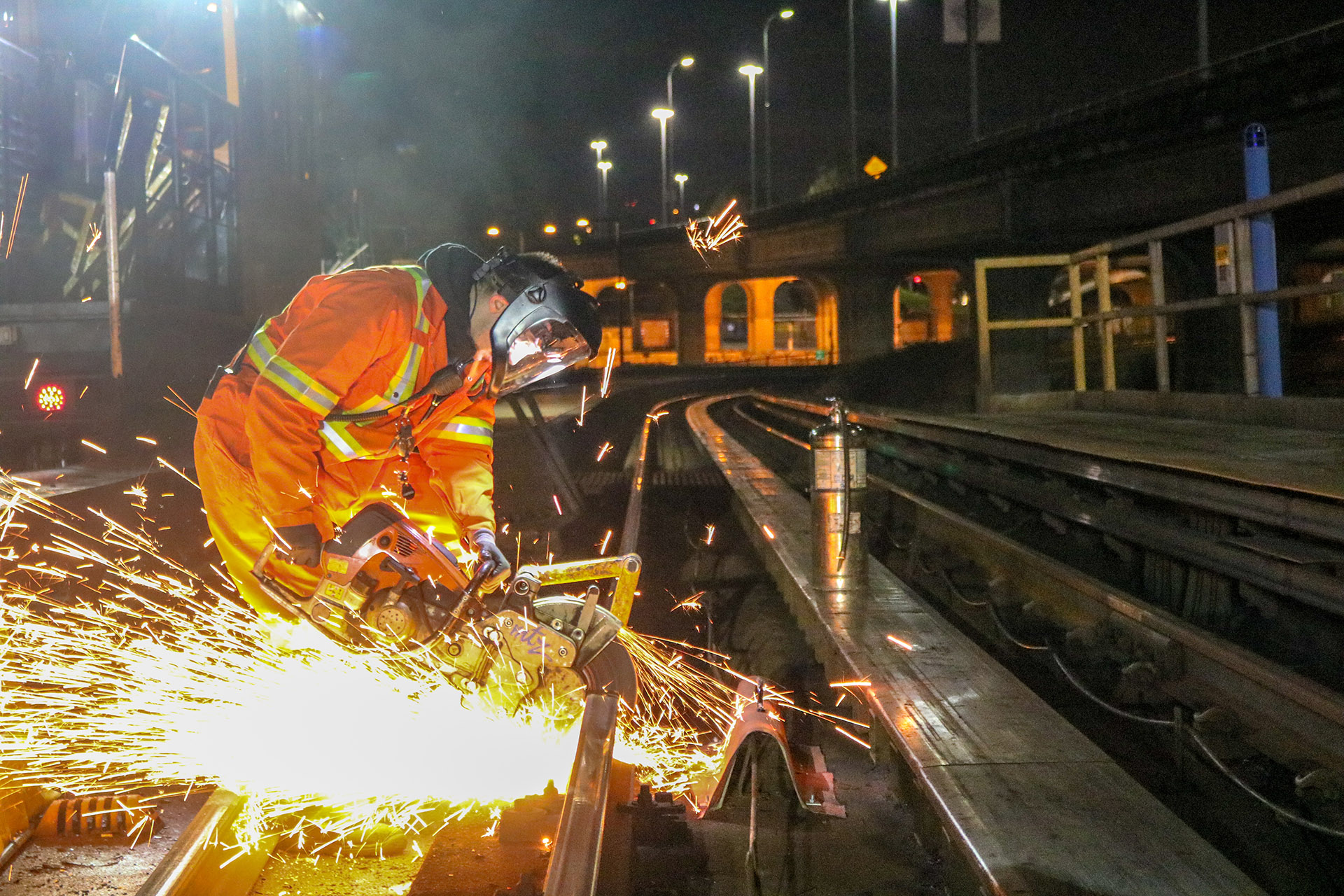
Track switch replacement
Track switches allow trains to move from one track to another. It’s used when segments of the track are closed or when trains of the same line have different destinations.
Replacing older switches reduces the noise created when switches move and when trains pass through them.
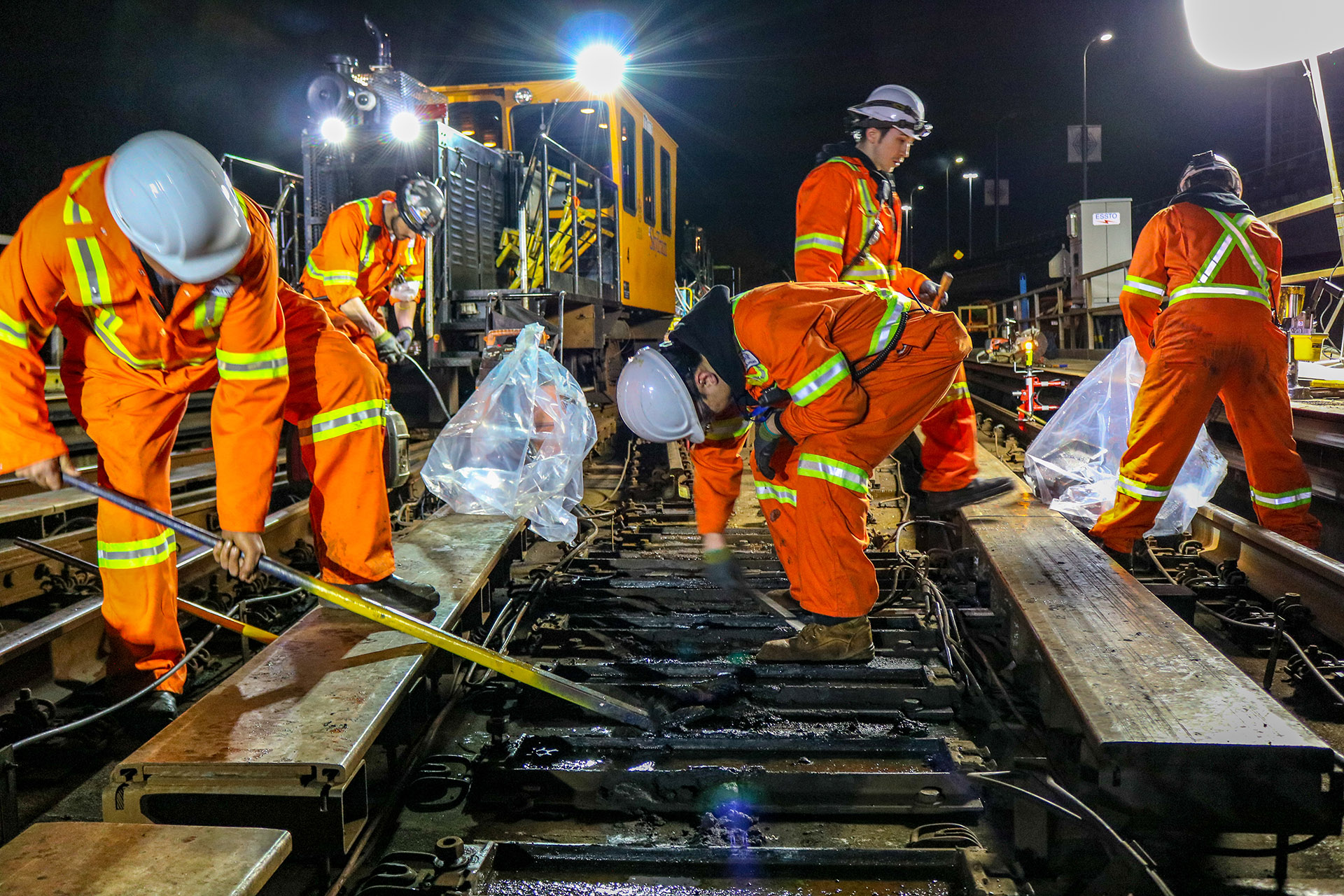
Rail pad replacement
Rail pads are components installed between the rail and supporting track structure that help reduce vibrations as the train rides along the tracks. These vibrations contribute to some of the noise you hear. As these pads age, they become less effective – eventually needing replacement.
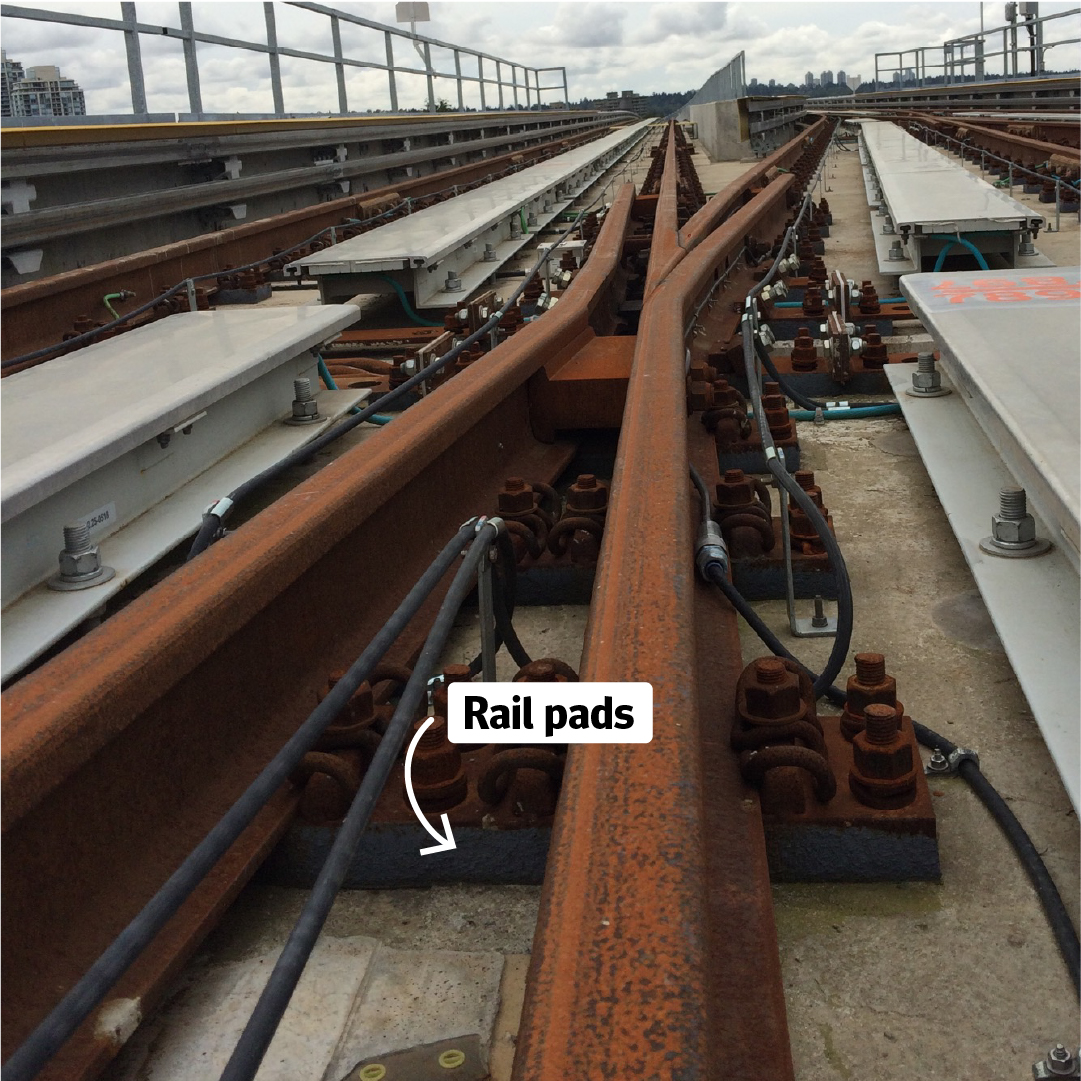
Friction modifiers
A friction modifier is a fluid solution that helps reduce wear on the wheels and rails, keeping them quieter for longer. We apply friction modifiers to targeted sections of the track to improve how trains steer through the system.
Day-to-day maintenance
Replacing aging assets is only part of the equation. Keeping the system in good condition also requires continuous inspection and maintenance.
In addition to upgrading and replacing assets across the network, BCRTC crews perform ongoing maintenance to help keep the system running safely, reliably, and as quietly as possible.
Crews regularly inspect tracks, train wheels, and other infrastructure throughout the Expo and Millennium lines. These inspections help identify early signs of wear before they become larger issues, allowing crews to prioritize maintenance where it will have the greatest impact.
In many cases, this means focusing on sections of the track that have become rougher or are generating more noise than expected.
Rail grinding
While rail replacement is sometimes necessary, it’s not always practical to replace an entire section of track. Instead, specialized rail grinding equipment is used to smooth rough areas on the rail surface. This helps restore a smoother path for train wheels, reduces wear, and can help reduce noise generated by wheel-to-rail contact.
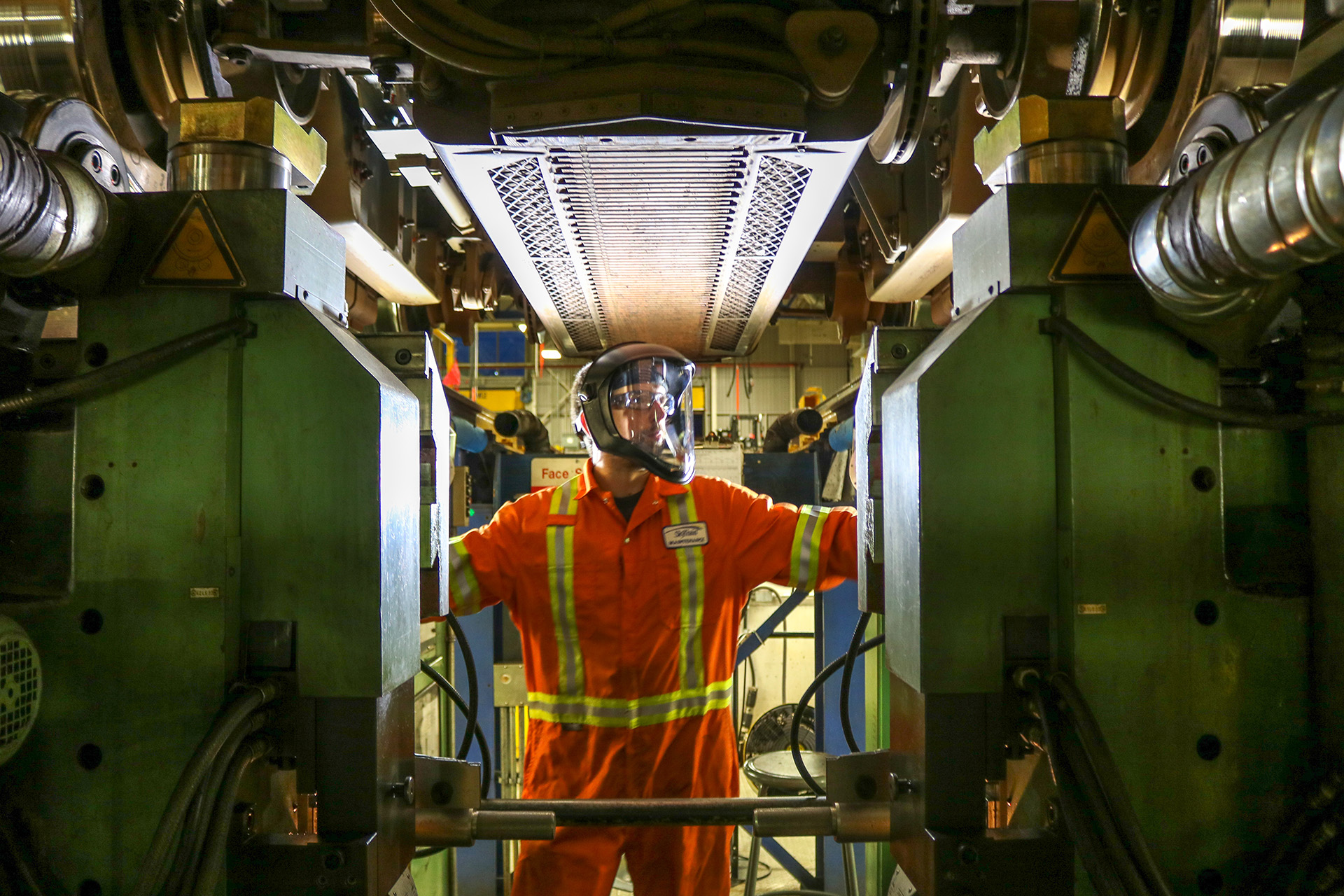
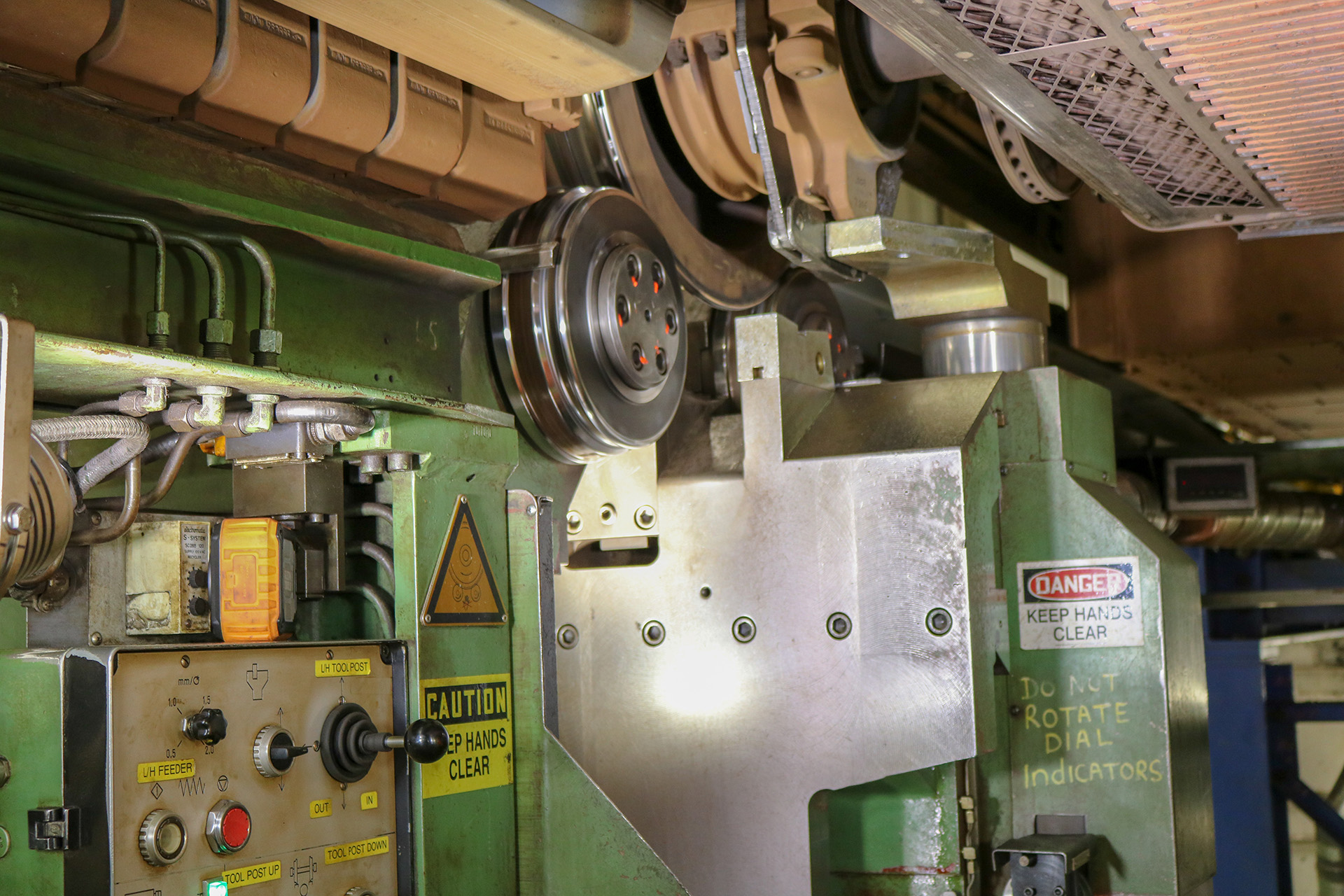
Wheel lathing
Just as rails wear over time, so do train wheels. Crews at BCRTC’s Operations and Maintenance Centre 1 (OMC1) remove train cars from service and place them on a wheel lathe, a specialized machine that carefully removes small imperfections and restores a smooth wheel surface.
By keeping wheels in good condition, crews can reduce wear on both the wheels and rails, which helps minimize noise.
Running rail welding
Unlike new construction, where rail is welded from 400 metres long segments, rail replacement on active lines can only be completed in shorter segments between 12 and 73 metres long. When trains run over segments of rail, that can create noise. Welding these segments together helps create a smoother running surface and reduces noise.
Track switch grinding
Moving components, like the track switch, experience a lot of wear that creates rough spots. Grinding track switches smooths the surface and keeps them operating reliably and with less noise.
Frequently asked questions
Can’t you just run SkyTrain slower to reduce noise?
As the source of rail-related noise is often related to wear and tear, we already reduce train speeds on segments where we’ve identified a maintenance need. However, reducing speed affects travel times for riders across the network, so this is typically used as a short-term measure while crews work to address the underlying issue.
Why can’t you do noisy maintenance work during the day rather than at night?
For safety, most track maintenance must be completed when trains are not carrying passengers. Working overnight also minimizes disruption to customers. Occasionally, additional work may require single tracking or other service adjustments during operating hours.
Can’t you fix/maintain trains in my area faster?
Our maintenance programs follow established engineering criteria, with safety and system reliability top priorities. Crews must carefully prioritize work across the 240-kilometre network to address the areas that need attention most urgently.
Aren’t there noise bylaws you have to follow?
Rail transit systems operate under a different set of rules than most commercial and construction activities. Regardless of requirements, we make every effort to minimize noise through ongoing maintenance and upgrade programs.
Can’t you put up noise barriers along my section of track?
Noise barriers can work well in certain locations but are not a one-size-fits-all solution. Their effectiveness depends on factors such as track layout, nearby buildings, and topography. As we maintain and upgrade the system, we continue to assess where noise barriers can provide meaningful benefits for our neighbours.
Why does SkyTrain seem louder in the summer?
The system can seem louder during the summer months when more people have their windows open and spend time outdoors. Environmental factors, the height of buildings, and even weather conditions can also affect how noise is perceived in different locations.