
How are bus route numbers chosen?
How are bus route numbers chosen?
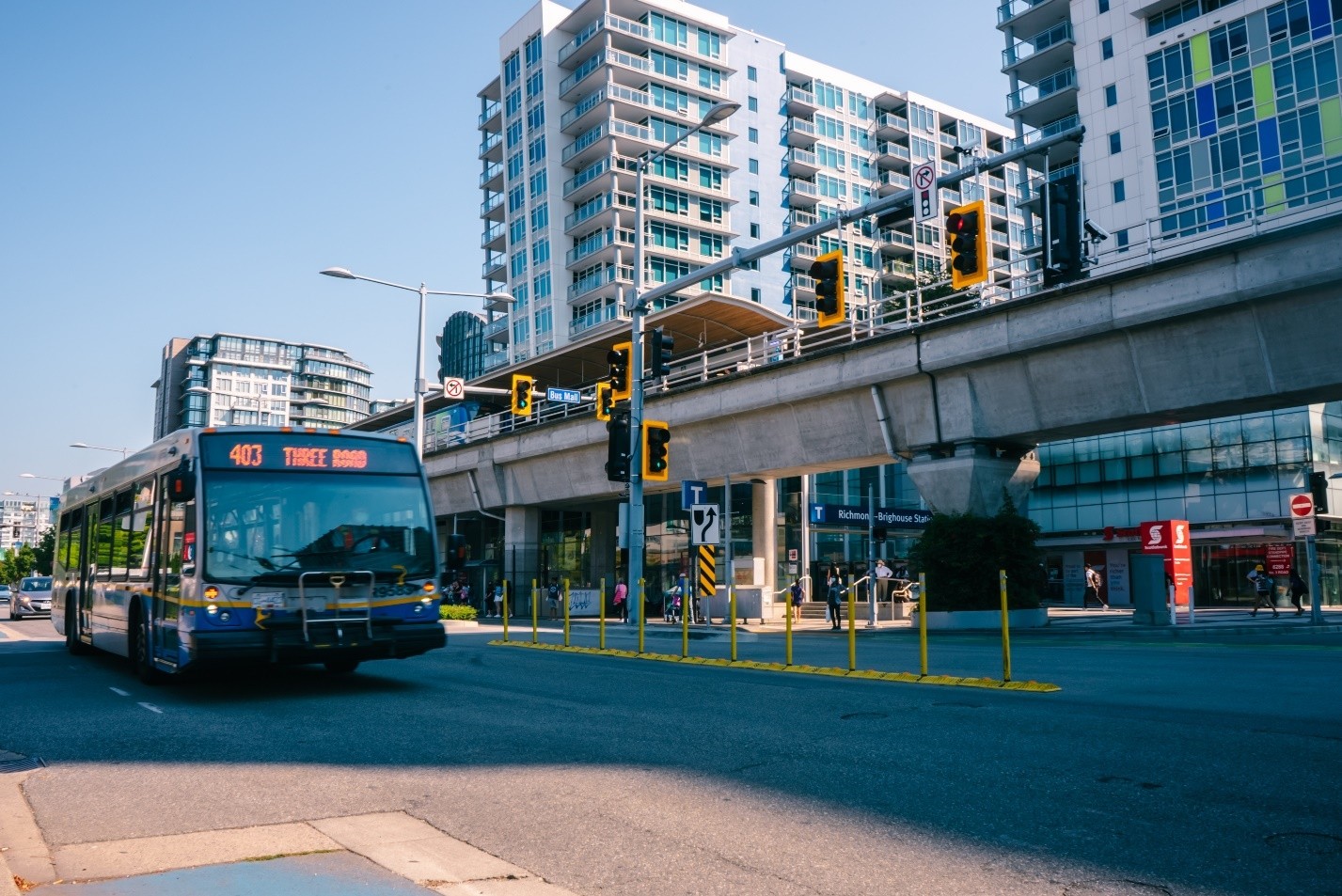
Have you ever wondered why your bus route is named the 99, the R2, or the 323?
It’s not random — behind every route number is a system designed to help riders navigate the region’s transit network. With more than 230 bus routes across Metro Vancouver, it’s important that bus route numbers and name are as memorable and intuitive as possible to those who rely on them every day.
Let’s dive deep into the transit lore to learn more about the history and strategy behind bus route numbers.
Different sub-regions call for different numbers
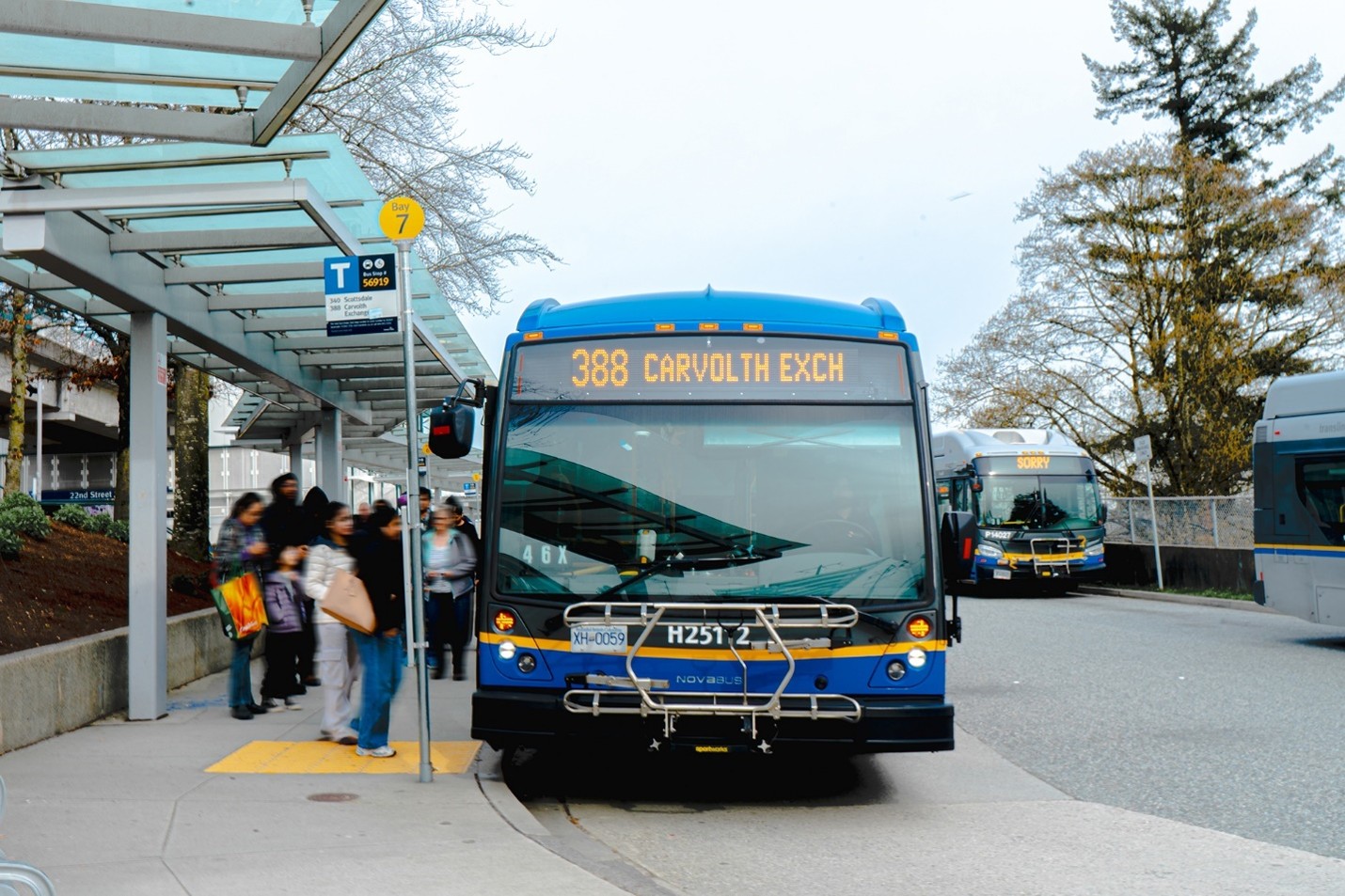
Most bus routes are numbered by the sub-region they serve:
- Vancouver: 1-99
- Tri-Cities: 100s
- North Shore: 200s
- Surrey/White Rock: 300s
- Richmond: 400s
- Langley: 500s
- South Delta: 600s
- Pitt Meadows/Maple Ridge: 700s
- School specials: 800s
Express service routes also have special numbers. Routes in the 80s are considered express routes, such as 80 Marine Drive and 84 VCC–Clark.
The idea is to give riders a hint about where a route operates just from its number.
Historical significance
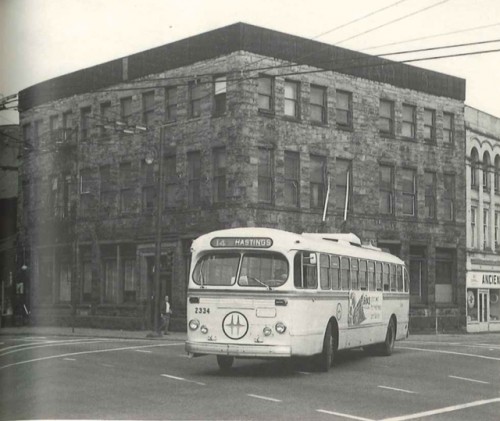
Not every route number was created from scratch. The number on your trolley bus route could have history going back nearly a century!
Many Vancouver trolley bus numbers have historical connections to streetcar routes dating all the way back to the 1920s and ‘30s. For example, the current #14 is connected to the former 14 Hastings streetcar route.
But these numbers aren’t always exactly mirrored; that’s because the streetcar system sometimes used different numbers, depending on the direction of travel.
Sometimes the number matches the street
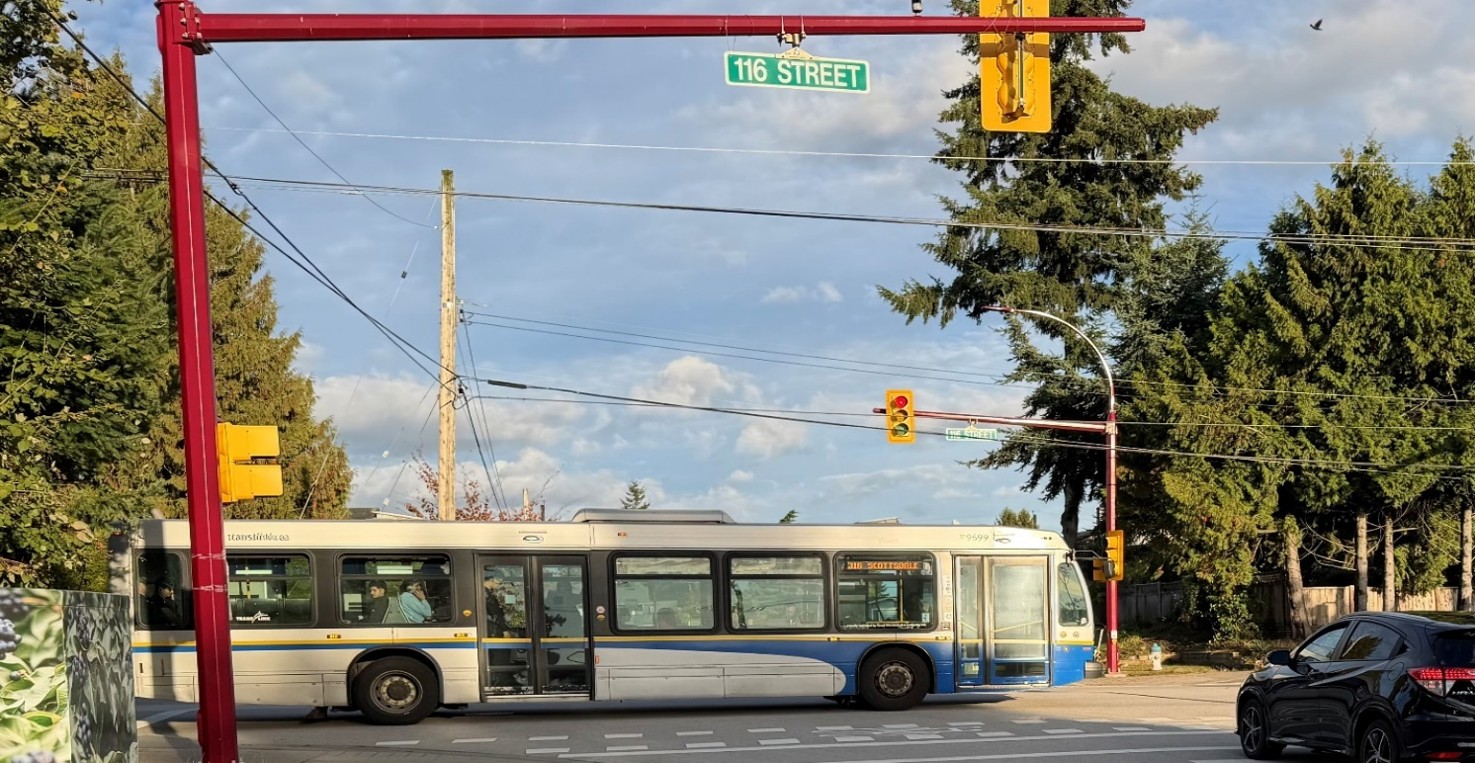
Another way we make wayfinding on buses easier is by connecting route numbers to the corridor they serve.
Some examples include:
- 41 – 41st Avenue in Vancouver
- 49 – 49th Avenue in Vancouver
- 316 – 116 Street in Delta
- 364 – 64 Avenue in Surrey
But that’s not always the case.
Take the 323 for example: it operates primarily along 128 Street in Surrey — but why isn’t it numbered 328?
It’s because the 328 was previously used for a North Surrey route that was discontinued in 2004. But the 323 has been running since 1975; so changing such a well-known, historical route number wouldn’t have made sense.
The last B-Line
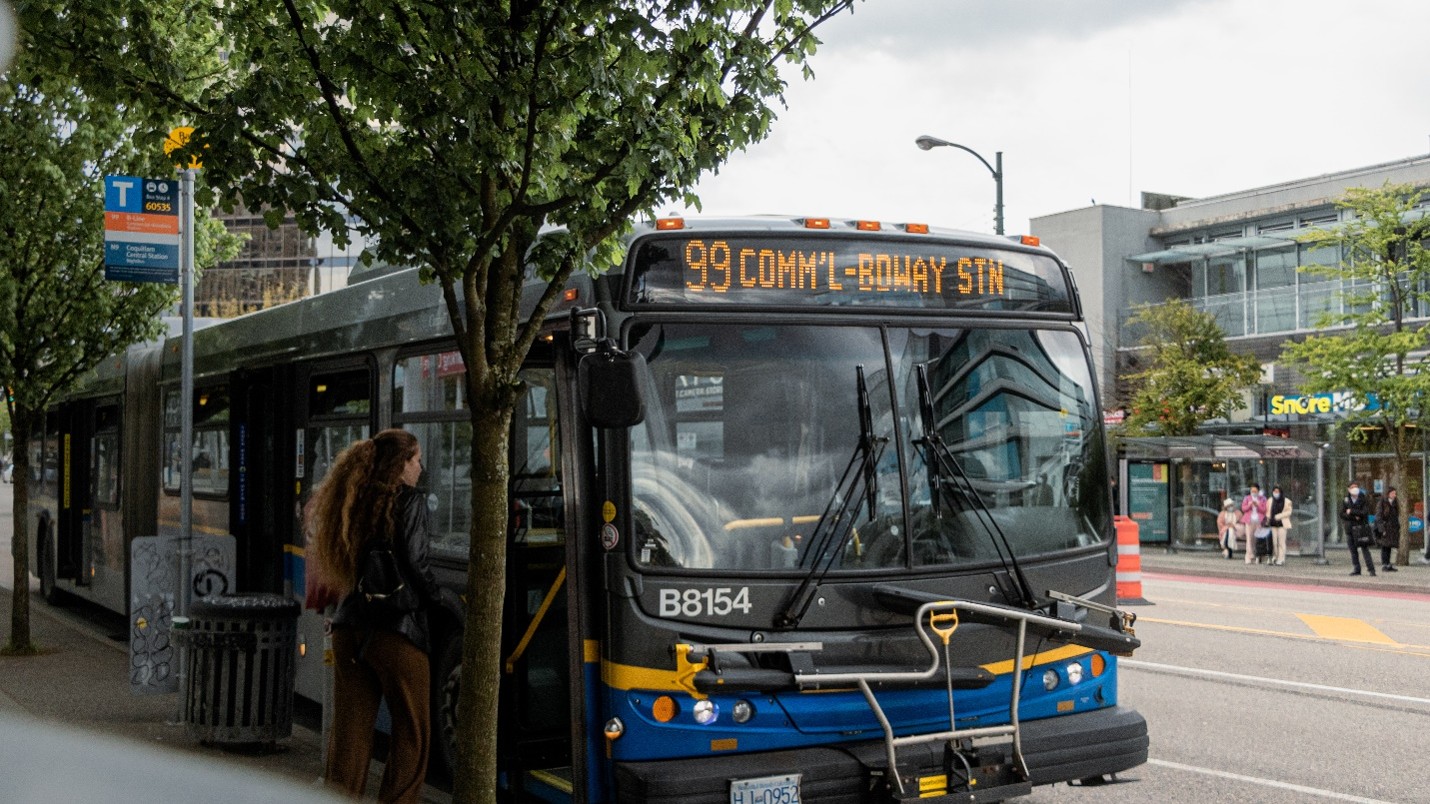
The 99 B-Line service was first introduced in September 1996, with express service from Lougheed Mall to UBC. Nowadays, the service runs from Commercial–Broadway Station to UBC.
Other B-Line services were also introduced, although they were all replaced by RapidBus service starting in 2020:
- 95 B-Line – R5 Hastings St
- 96 B-Line – R1 King George Blvd
The B-Line name was retired for these services, but the 99 B-Line will remain in place until the Broadway Subway Extension is completed next year.
What about “R” routes?
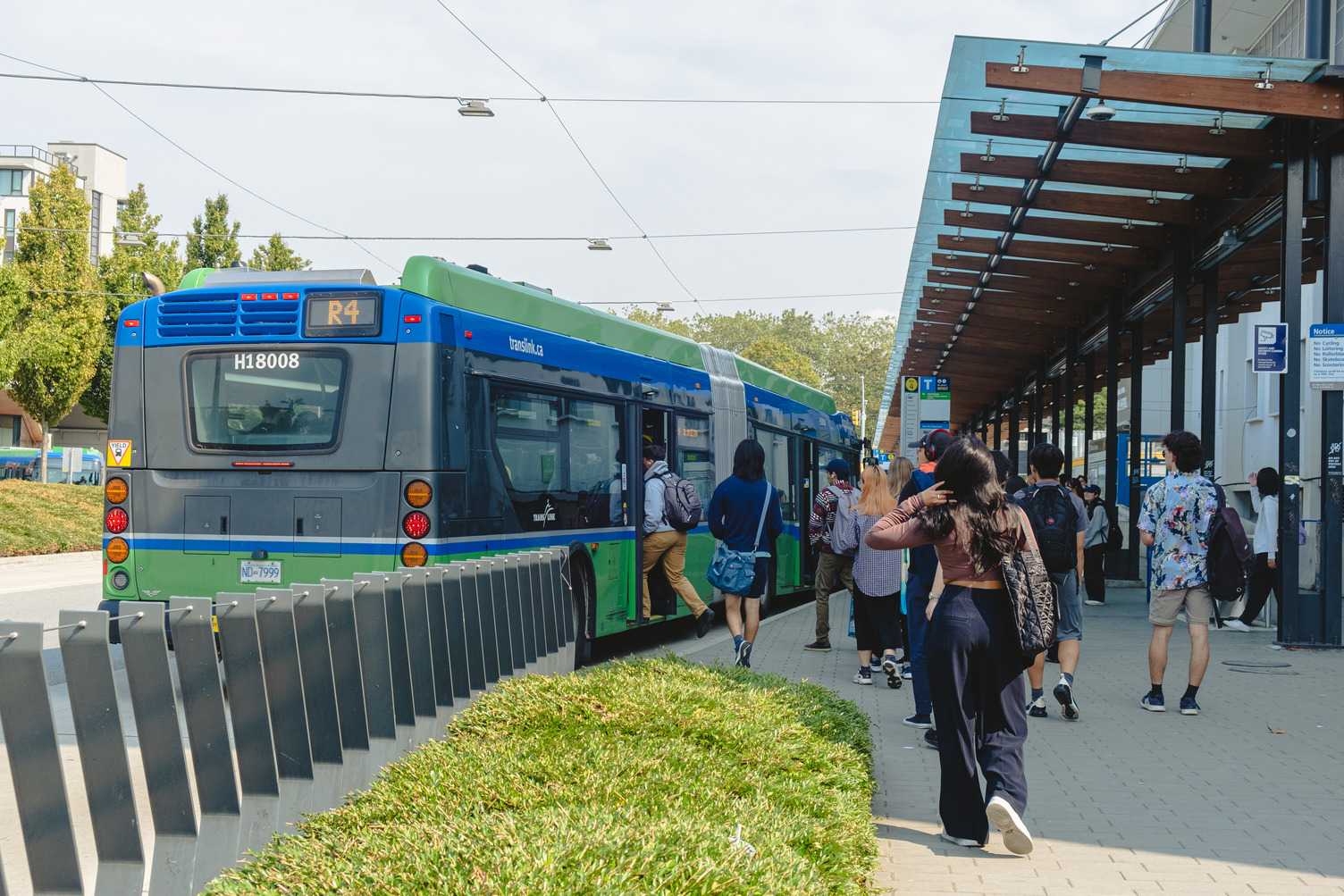
Some “R” routes align with the region they serve, while others are simply named in order of rollout:
- R1: First RapidBus
- R2: North Shore – 200s
- R3: Number was available!
- R4: 41st Ave.
- R5: Old 95 B-Line
- R6: Number was available!
More than a number
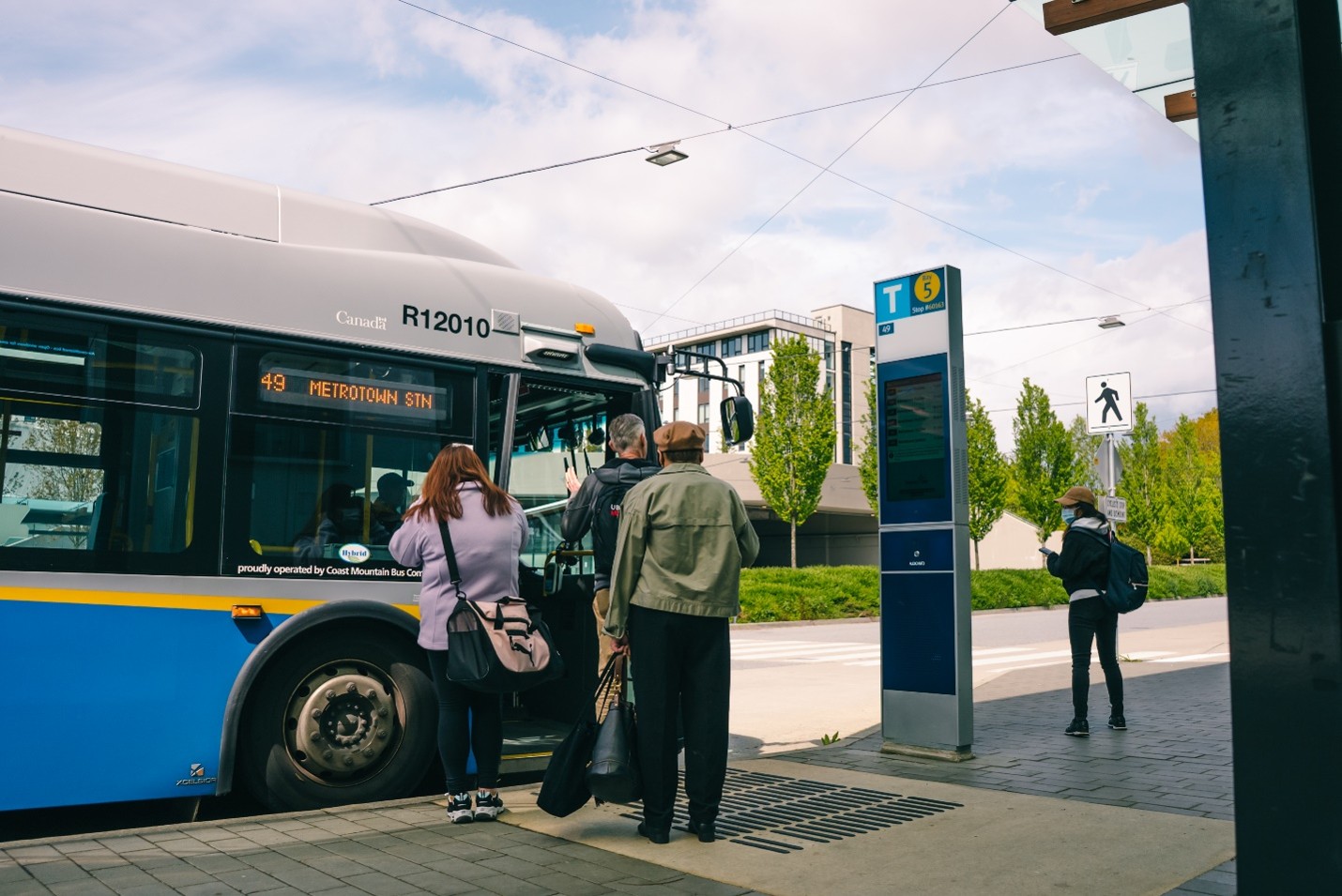
Bus routes should make sense. They should be easily recognizable and, if possible, use some kind of geographical identification. These subtle details can help make transit more accessible for everyone.
From regional numbering to streetcar history, and B-Line services, there’s always a story behind a bus route number and its purpose.
So the next time you hop on a bus, take a peek at the number. It might tell you where the route goes, what kind of service it is, or even hint at a little piece of transit history!