


Bike infrastructure explained: 5 types of infrastructure built for safer cycling
Bike infrastructure explained: 5 types of infrastructure built for safer cycling
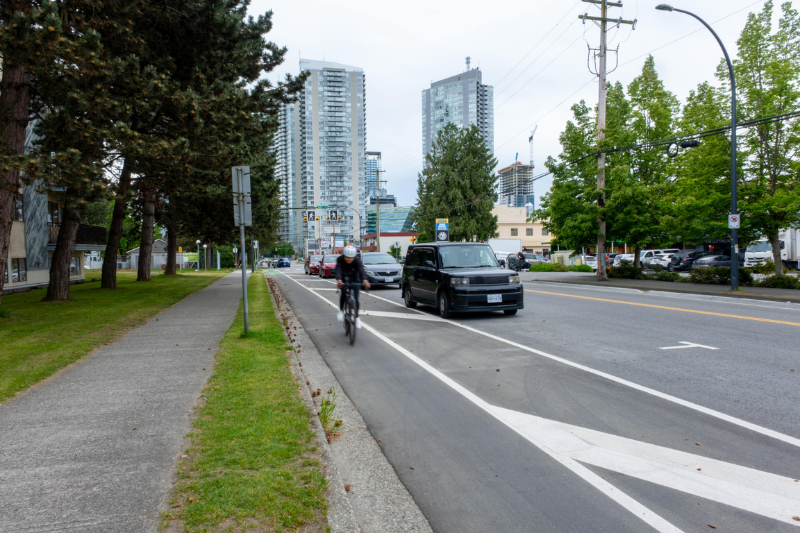
Have you ever noticed that bike lanes across the city don’t all look the same? That’s because there are several types of bikeway infrastructure, each designed with a level of comfort in mind. Let’s break down the types of bikeways you might see.
Bicycle Lanes
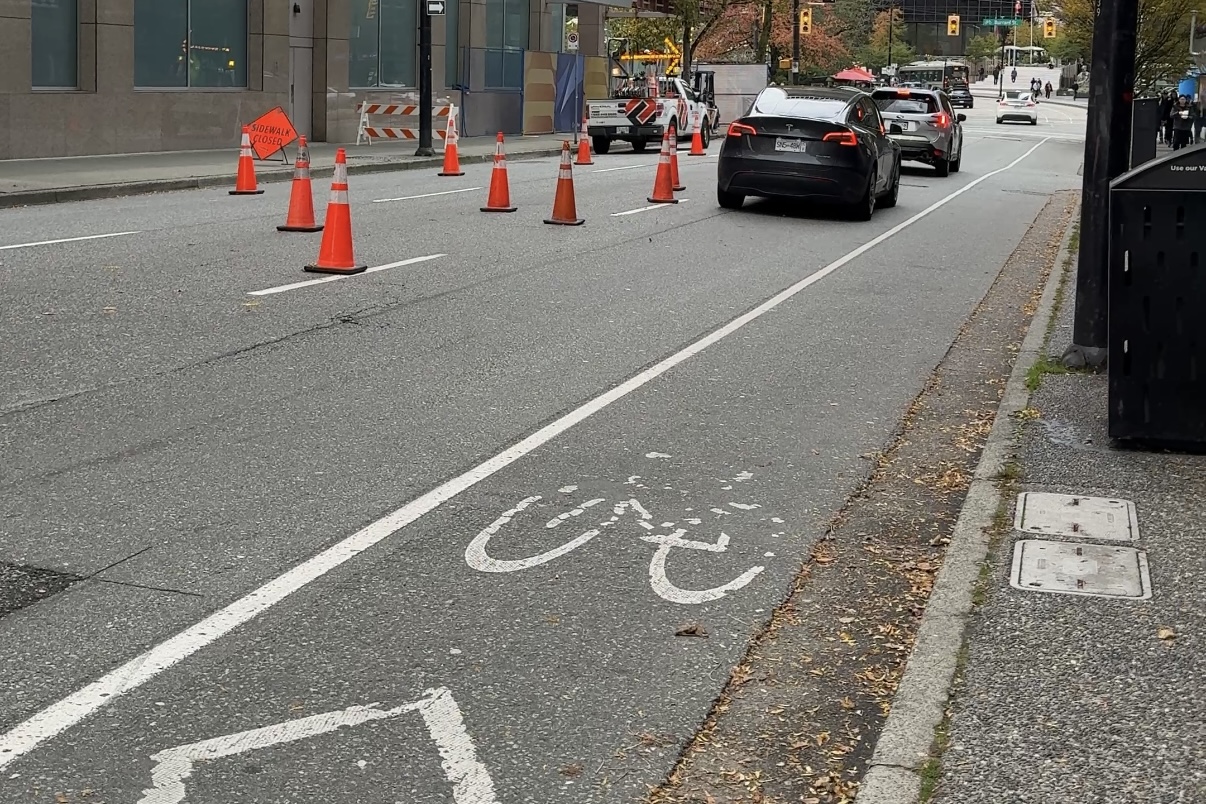
Bicycle lanes provide on-road space exclusively for people cycling. Paint typically marks these paths, which sometimes include a painted buffer area to provide extra space between bicycles and vehicle traffic.
Here are the four types of bikeways that TransLink is building with local governments to make cycling across the region safer, accessible, and enjoyable for everyone.
Bicycle Pathways
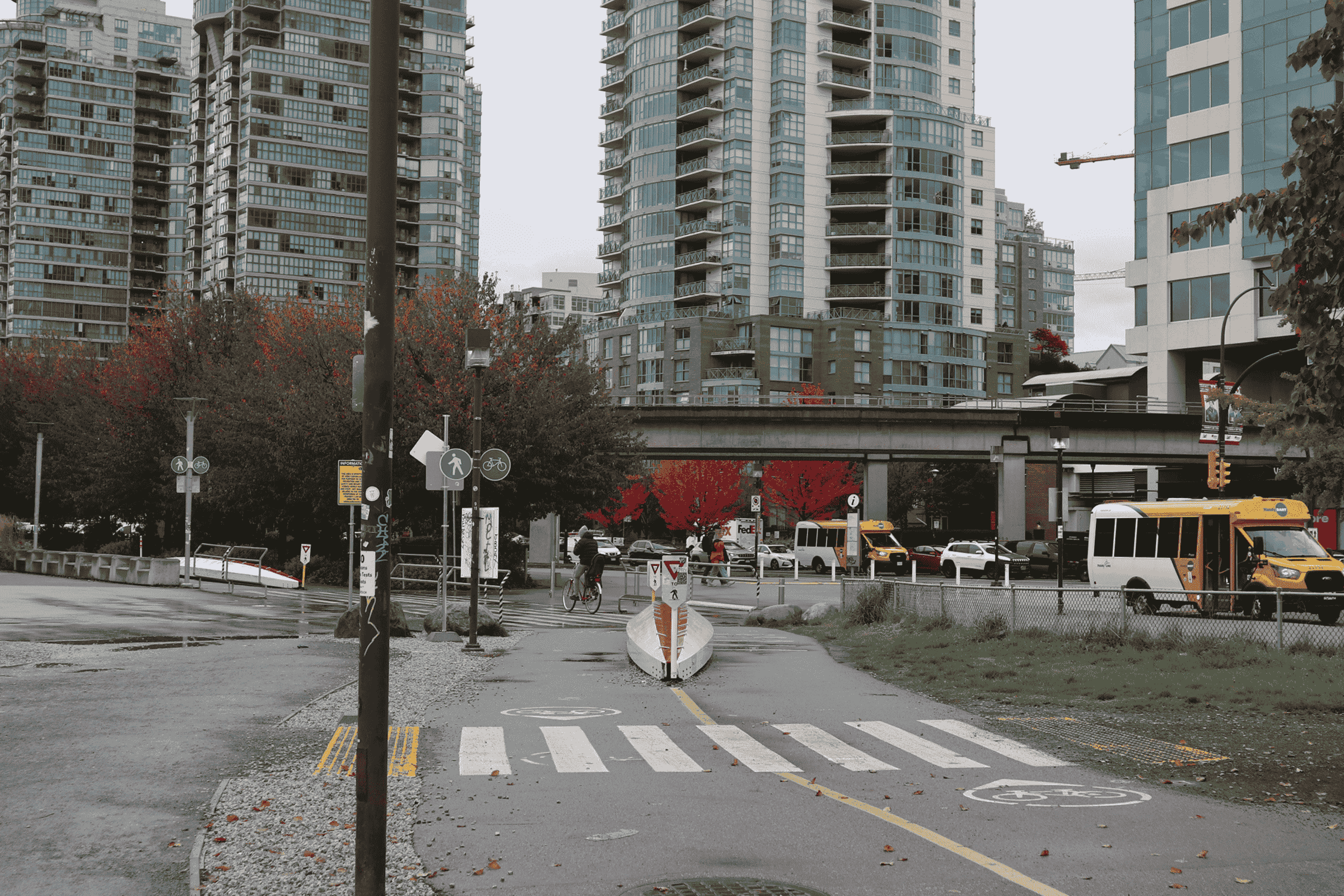
Bicycle pathways are off-street paths designed exclusively for people cycling and using other active modes such as scooters or skateboards (where permitted). They run completely separate from both vehicle and pedestrian traffic, often parallel to roads but providing physical separation for maximum safety, especially at intersections.
Protected bicycle lanes
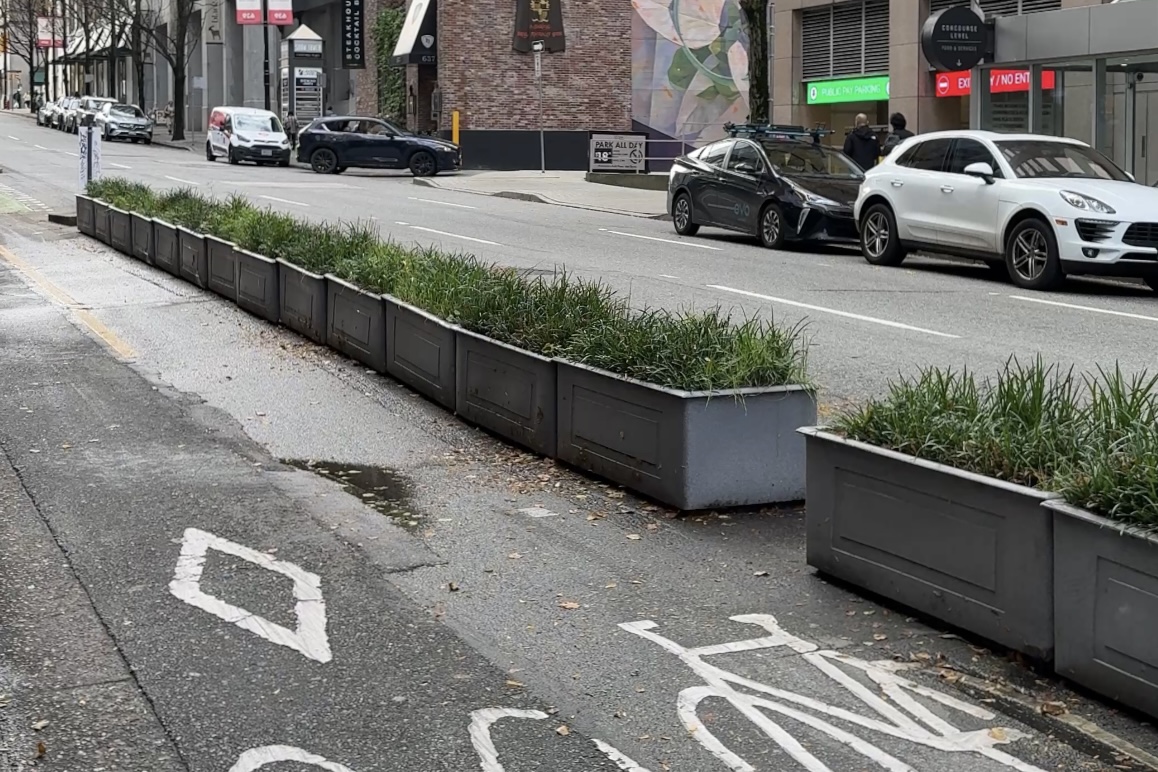
Protected bicycles lanes are exclusive on-road lanes for people cycling and using other forms of active transportation such as in-line skating or scooters (where permitted). We separate them from vehicle traffic using a physical barrier such as planters, curbs, or bollards. This barrier creates a safer and more comfortable experience. Protected bike lanes can be one-way or two-way.
Multi-use pathways (MUPs)
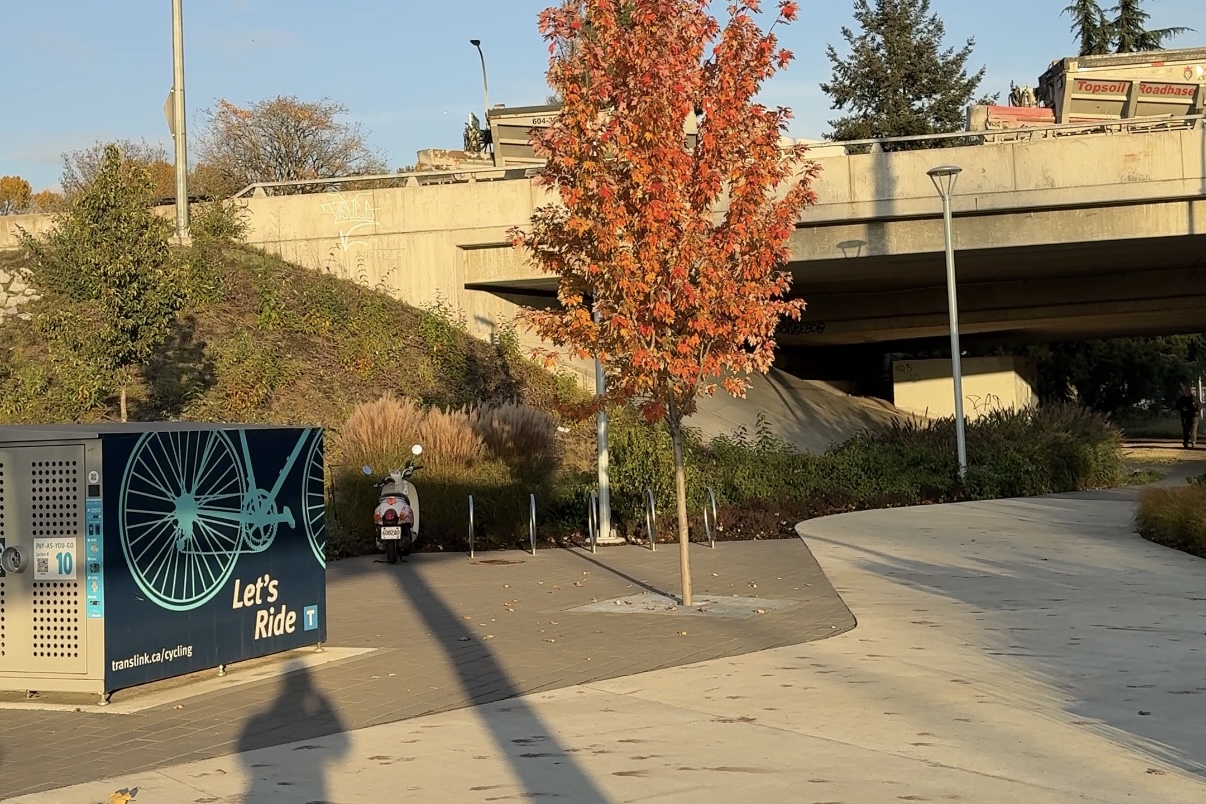
MUPs are off-road infrastructure built for shared use by people walking, cycling, and rolling. They provide a comfortable and safe environment for everyone to travel together, and they can be one-way or two-way.
Neighbourhood bikeways or shared streets
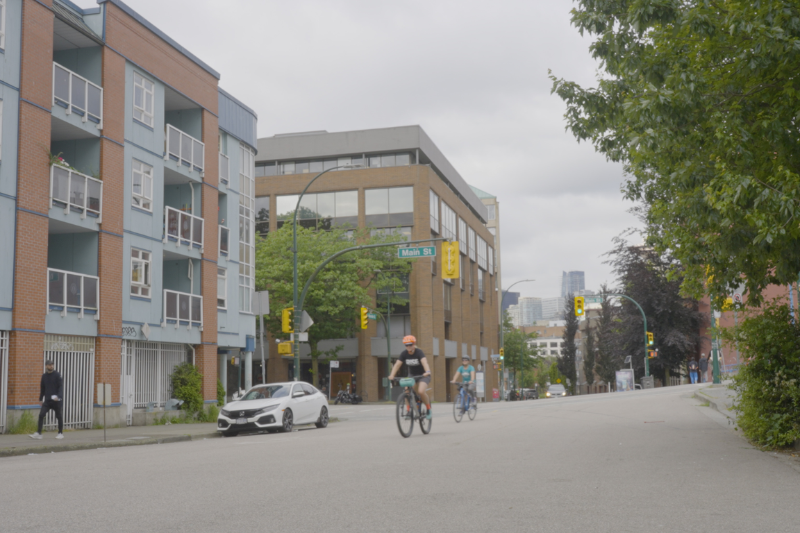
These are low-traffic, low-speed streets where people biking and driving safely share the roadway. You will often see features such as traffic calming measures, signage, and pavement markings to help prioritize cyclists and make the route comfortable for riders of all ages and abilities.
How TransLink helps
TransLink is working together with local governments in a cost-sharing partnership to build infrastructure to the “Comfortable for Most” standard. This includes well-designed bike paths, protected bike lanes, multi-use paths, and neighbourhood bikeways, supporting routes that help more people feel confident biking year-round.





Why don’t you update the X (used to be twitter and blue bird) logo at the bottom of this page?