
10 ways TransLink is improving accessibility on transit
10 ways TransLink is improving accessibility on transit
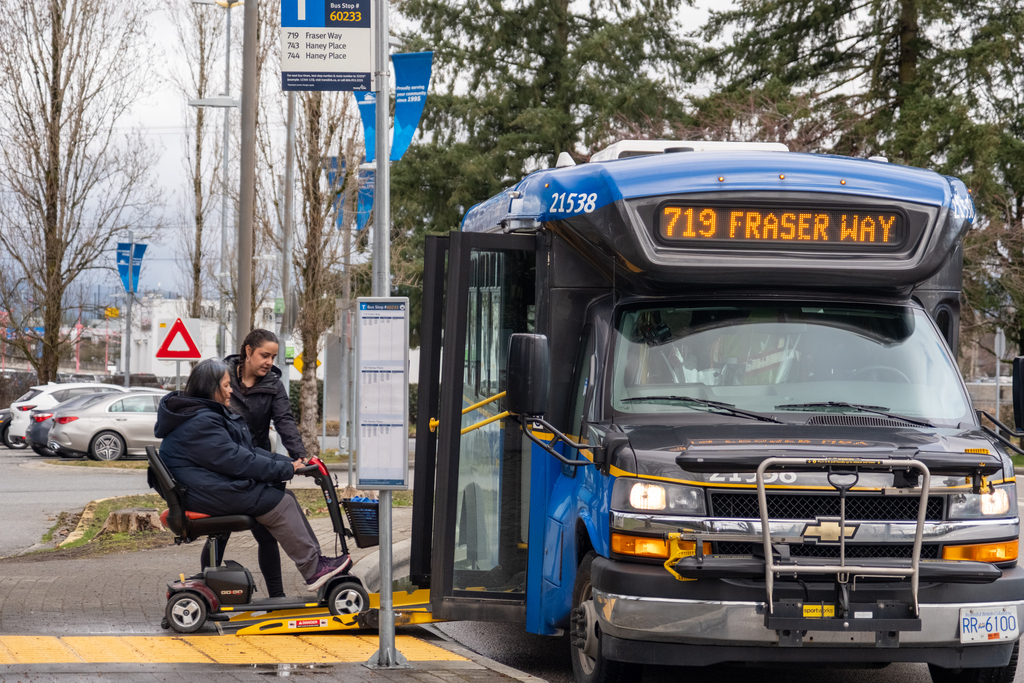
Our 2026 Accessibility Plan is here, outlining dozens of ways we are identifying, removing and preventing barriers to accessing our services.
Created with feedback from 3,700 customers and disability advocates, the plan is a roadmap to make our system more inclusive. Updated every three years, the plan moves us closer to our Transport 2050 vision of “Access For Everyone.”
Here are 10 ways we are continually working to make our transit system more accessible:
1. More wheelchair–accessible bus stops
As of 2025, more than 86 per cent of all bus stops across the system are accessible. These stops include safe ramp deployment space for mobility aids, Braille and tactile signage, and tactile surface indicators.
2. New elevators and escalators
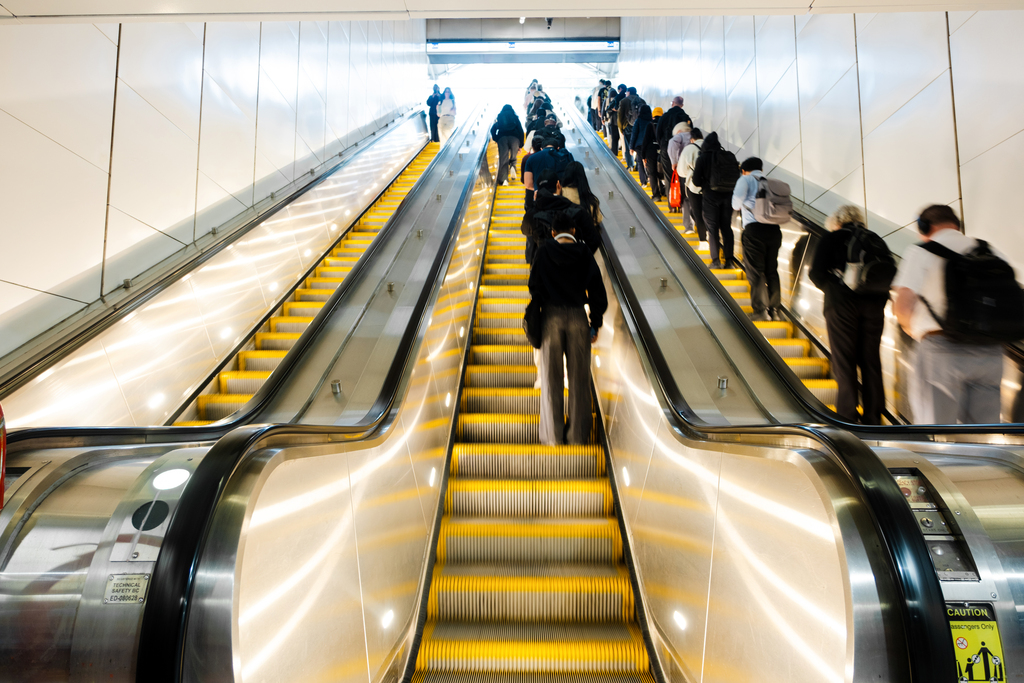
New elevators and escalators have been installed at six Expo Line stations so far, and more will be upgraded in the coming years. Elevator upgrades are complete at the following stations:
- Edmonds Station
- Nanaimo Station
- Scott Road Station
- Stadium–Chinatown Station
- Waterfront Station
- 22nd Street Station
Elevator upgrades are currently underway at 29th Avenue Station, Burrard Station, and Royal Oak Station.
We’re also installing new escalators at Gilmore Station, and Production Way–University Station.
3. Accessible washrooms at key stations, exchanges, and terminals
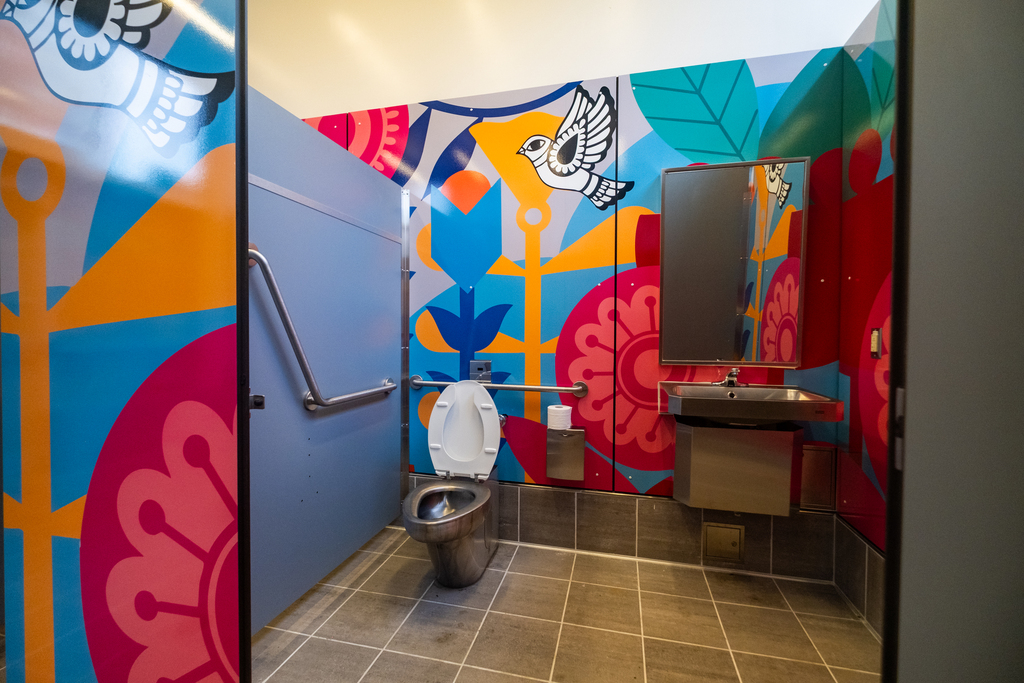
In 2025, we installed a new accessible washroom at Metrotown Station. We are committed to installing more multi-stall, accessible, and gender-neutral washrooms across the system at key stations and terminals.
4. Better sidewalks, curb ramps, and crosswalks
Since 2023, we have invested almost $20 million to improve sidewalks, curb ramps, and pedestrian crossings near transit as part of an ongoing cost-share program with local municipalities. The goal is to reduce barriers in the first and last parts of a transit journey, helping more people travel safely and independently.
5. Newer trains with wider aisles for easier mobility device access
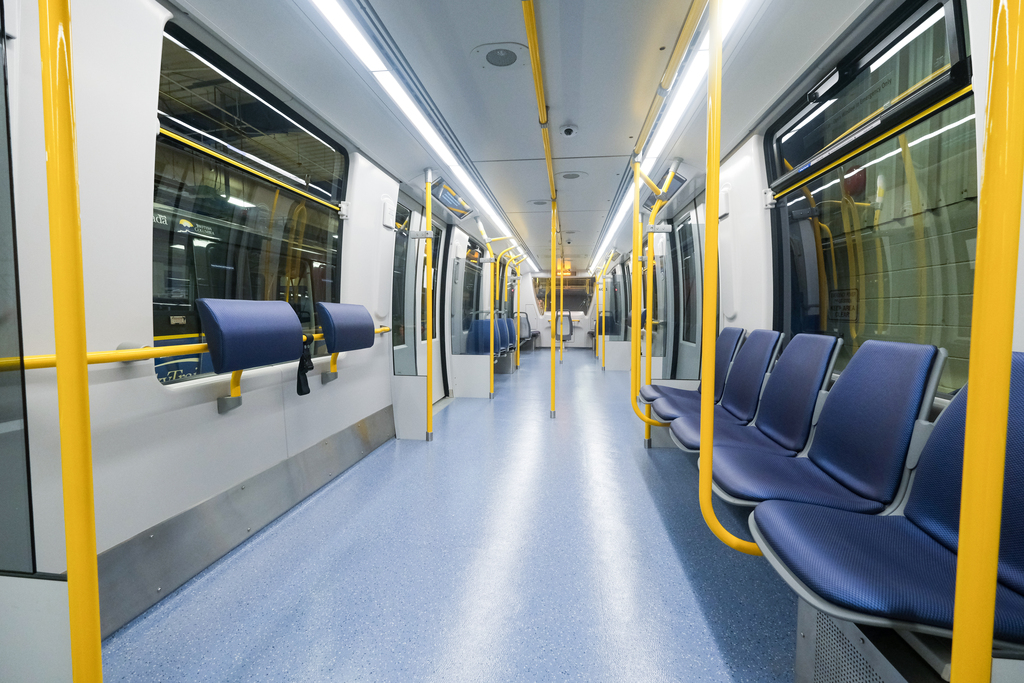
Since 2025, we have been phasing out the now 40+ year old Mark I SkyTrains and replacing them with state-of-the-art Mark V trains, built to improve capacity and maintain better accessibility.
6. Clearer announcements at stations, on buses, and SkyTrain
We have improved the audio quality of public-announcement systems at SkyTrain stations and onboard vehicles for better customer communication.
7. More bus service for more room on board
Higher capacity on new and expanded routes, like the R2 from Metrotown station to Park Royal, so those with accessibility needs have better transit options and space on board.
8. Plain language, ASL interpretation, and closed captioning
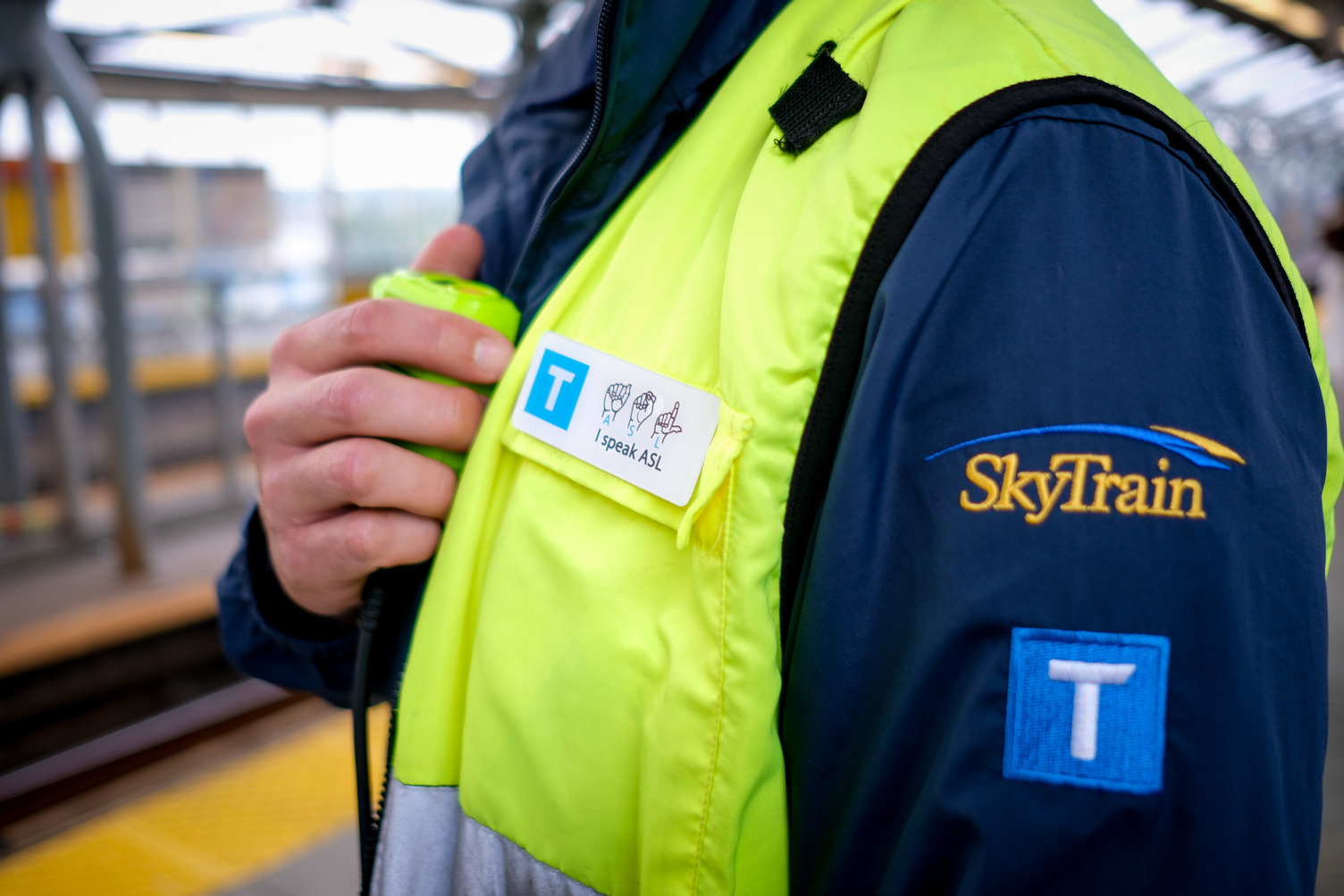
Customer-facing staff have language pins, can offer transit advice in different languages including ASL, and we offer travel-training videos with described video.
Want more updates on accessible transit in Metro Vancouver? Sign up for the Accessible Transit newsletter here!
9. More late-night HandyDART service
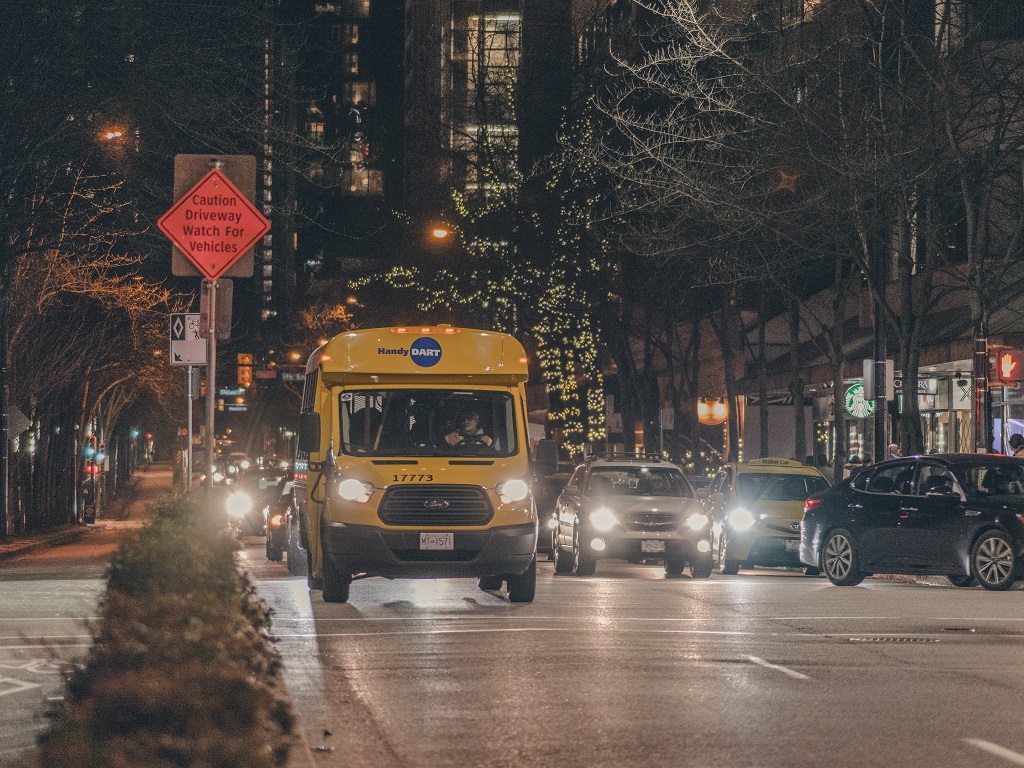
As of January 2026, HandyDART service hours now extend to 2 a.m. This means more availability and transit options for HandyDART users, and better alignment with bus and SkyTrain operating hours.
10. Piloting enhanced accessibility features
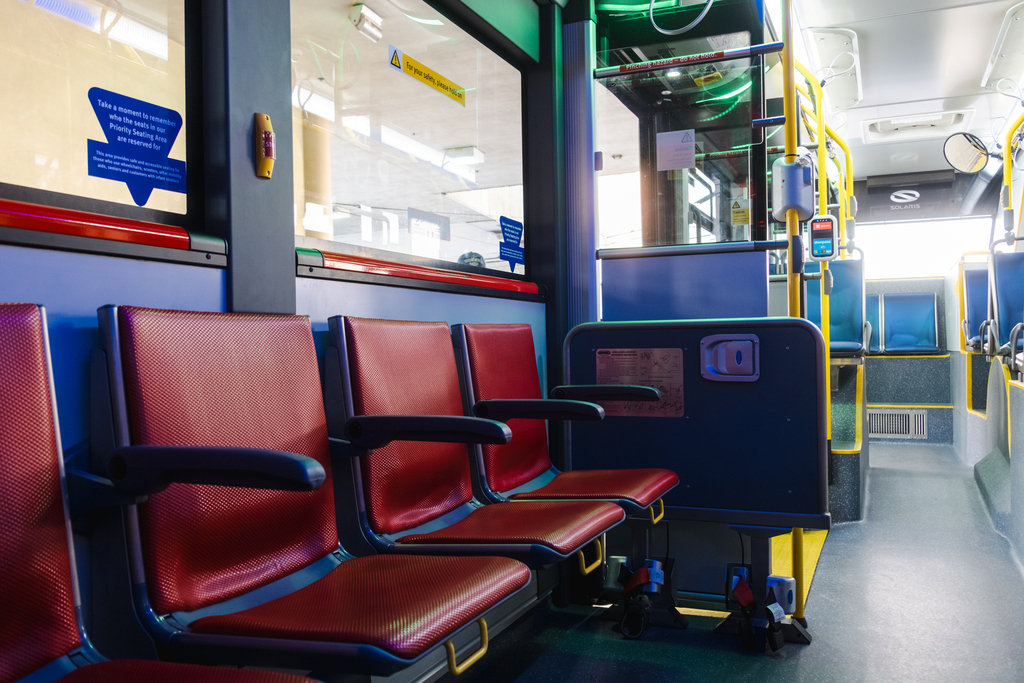
The new Solaris trolley bus, rolling out in fall 2026, will sport new accessibility features like red priority seating, and braille stop-request buttons.