


Route 49 bus stop changes begin June 8. What shaped the plan?
Route 49 bus stop changes begin June 8. What shaped the plan?
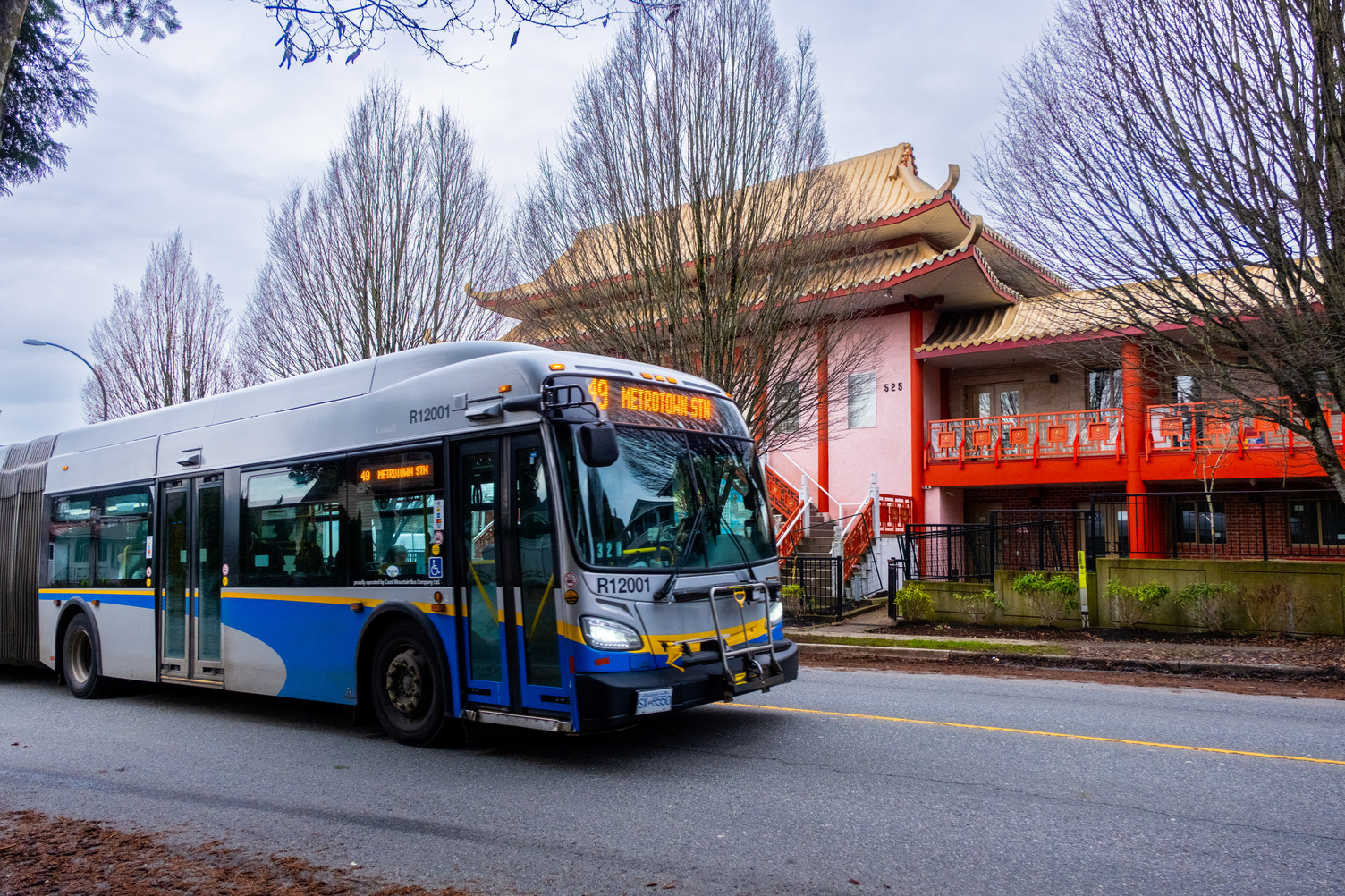
Starting June 8, some Route 49 bus stops in Vancouver will change to make service more reliable. About 95 per cent of riders will be able to use their current stop.
What’s changing?
- Nine stops originally proposed for removal will be kept, based on what we heard.
- Nineteen stops will be removed to improve reliability.
- A new eastbound stop will be added at 49th Avenue and Wiltshire Street, near a future crosswalk.
- Accessibility upgrades at three existing stops and the new stop will make every Route 49 stop in Vancouver fully accessible.
For riders whose stop is changing, another stop will be available within about a block.
Why these changes?
When stops are very close together, buses stop more often, adding delays and making travel times harder to predict.
About one in four Route 49 buses runs off schedule, and more than half of Route 49 stops are closer together than recommended.
Improving stop spacing can make service more reliable, but it needs to be done thoughtfully. So, before making any changes, we reviewed every stop carefully and listened to people who use the route.
How we reviewed each stop
We looked at each stop along Route 49 between Boundary Road and Crown Street to understand where better stop spacing could improve reliability without making the bus harder to reach.
We looked at:
- How customers use each stop
- Nearby destinations
- How easy it is to get to and from the stop
- Distance between stops
- Connections to other routes
- Road slope
- Access to crosswalks
- Safe boarding and exiting for passengers using mobility devices
- How often wheelchair ramps were used at each stop
But the data doesn’t tell us everything. A stop may look close to another stop on a map, but the walk can feel different in the rain, at night, on a hill, or for someone using a mobility device.
A stop may also be needed because it’s near a school, seniors’ building, shop, service, transfer point, or a safer place to cross. So, we wanted to hear from everyone who rides the 49.
How we reached out
We asked for input from riders, Bus Operators, residents, business owners, community organizations, and anyone interested in the changes.
We shared information through bus stop signs, postcards to local residents, posters at community spaces, and social media. Pop-ups along the corridor gave riders an opportunity to speak with the project team where they already travel, shop, study, and gather. We also reached out to schools, businesses, community groups, organizations supporting seniors and people with disabilities, and the Musqueam First Nation.
Feedback was collected through an online survey available in six languages.
We also worked with the Canadian National Institute for the Blind (CNIB) to share information with its members. For blind and partially-sighted customers, our Customer Information team was available to help complete the survey over the phone.
What we heard
Riders want the 49 to be easier to count on. They want less waiting, fewer surprises, and for buses to show up on time. Many understood that fewer, better-spaced stops can help with that. Others noted stops that were important to them.
Customers also reminded us that a short walk is not the same for everyone. A few extra minutes can feel very different for a senior, a person using a mobility device, a caregiver with a stroller, a student walking home at night, or someone carrying groceries in the rain.
Some riders choose one stop over another because of a crosswalk, bus transfer, flatter walk, or a safer route at night. Some also wanted to see more visible improvements along the corridor, including bus lanes and shelters.
These details helped refine the plan. Nine stops originally proposed for removal will now be kept.
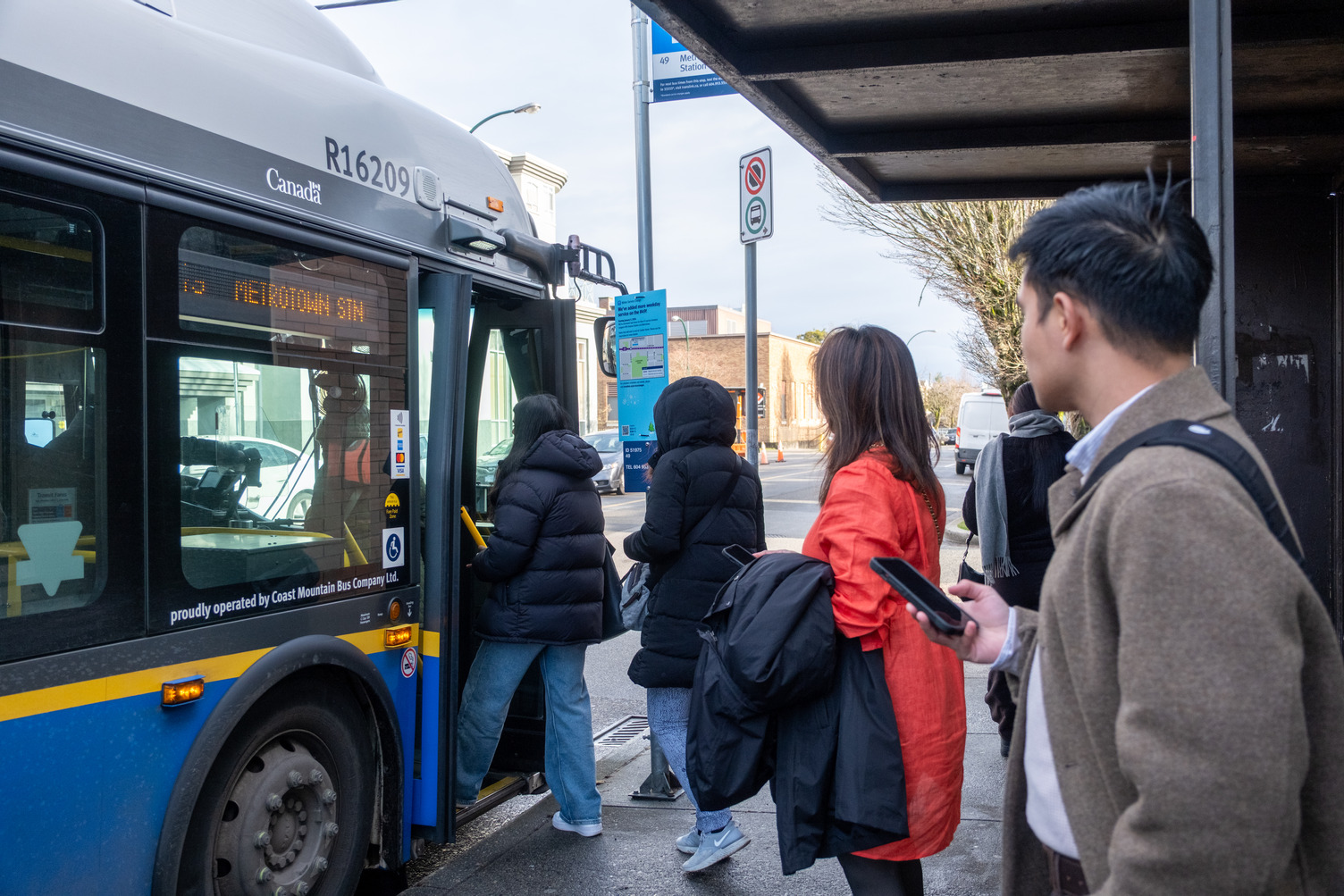
Every Route 49 stop in Vancouver will be accessible
Accessible landing areas will be added at three existing stops and the new stop. These upgrades will make it easier for customers using mobility devices and strollers to board and get off the bus.
More improvements are coming
Stop changes are one part of the work we’re doing to improve reliability on Route 49.
The City of Vancouver is extending bus lanes along parts of 49th Avenue between Cambie Street and Fraser Street. These bus lanes will help buses move more predictably through some of the busiest sections of the corridor. Learn more at vancouver.ca/49ave-transit
For more information about Route 49 bus stop changes, visit translink.ca/route49.





Very good idea